If you’ve noticed dark patches on your walls or a persistent musty smell in your home, you’re probably dealing with one of two very common problems: black mould or condensation. While they often appear together and are sometimes confused for the same issue, they are actually distinct problems with different causes, risks, and treatments. Understanding the difference is the first step towards fixing them properly.
What Is Condensation?
Condensation occurs when warm, moisture-laden air meets a cold surface, such as a window pane, an external wall, or the corner of a poorly insulated room. As the air cools, it releases moisture in the form of water droplets. This is entirely normal physics, but when it happens repeatedly in poorly ventilated spaces, it creates the damp conditions that allow mould to thrive.
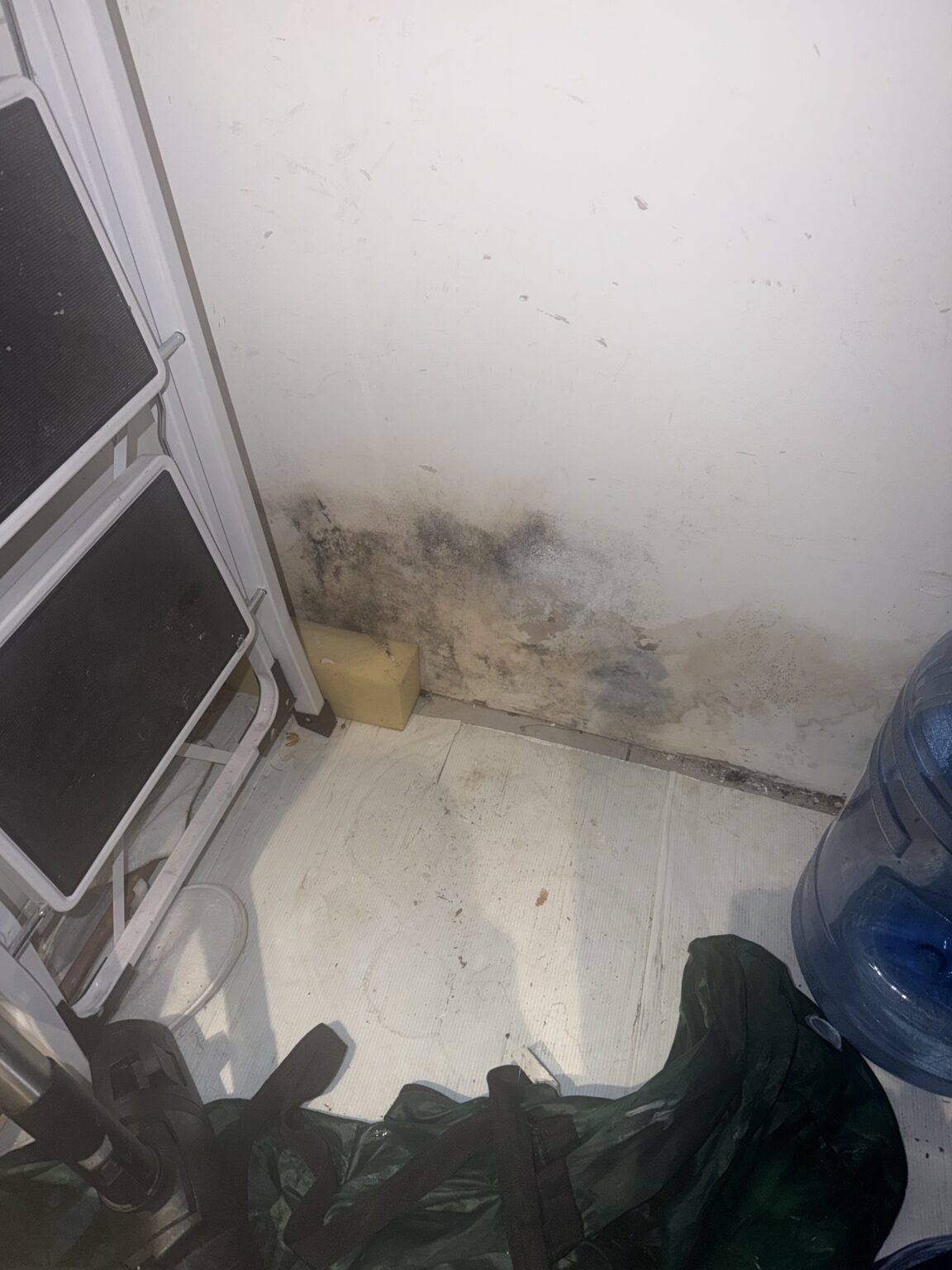
Common signs of condensation include:
- Water droplets or steaming on windows in the morning
- Damp patches appearing on cold external walls, especially in corners
- Peeling wallpaper or blistering paint near windows
- A general sense of dampness in bathrooms, kitchens, or poorly heated rooms
Condensation is most common in winter, when the difference between indoor and outdoor temperatures is greatest. It’s often worsened by lifestyle factors: drying clothes indoors, not using extractor fans when cooking or showering, and keeping windows closed to stay warm.
What Is Black Mould?
Black mould (most commonly Stachybotrys chartarum or Cladosporium) is a fungal growth that develops in persistently damp environments. It appears as dark grey or black patches, often with a slightly fuzzy texture, and thrives on organic materials like plasterboard, timber, wallpaper, and soft furnishings.
Importantly, black mould is not just an aesthetic problem. It releases microscopic spores into the air that can trigger or worsen respiratory conditions including asthma, bronchitis, and allergies. Children, the elderly, and people with compromised immune systems are particularly vulnerable. Under Awaab’s Law, social landlords are now legally required to investigate and remediate mould and damp within strict timeframes, a recognition of just how serious a health issue this has become.
Key Differences Between Black Mould and Condensation
The critical distinction is this: condensation is a moisture problem; black mould is a biological one. Condensation creates the conditions for mould to grow, but mould can also develop from other damp sources entirely, such as rising damp, penetrating damp, or a slow plumbing leak hidden behind a wall.
| Condensation | Black Mould | |
|---|---|---|
| Cause | Temperature difference + moisture | Persistent dampness |
| Appearance | Water droplets, wet surfaces | Dark fuzzy patches |
| Health risk | Low (unless it leads to mould) | High (respiratory issues) |
| Location | Windows, cold walls, corners | Anywhere persistently damp |
| Treatment | Ventilation + heating | Professional remediation |
How to Treat Condensation
Reducing condensation is largely about improving ventilation and heating:
- Ventilate properly: Open windows daily, even briefly, to allow moist air to escape. Use extractor fans in kitchens and bathrooms every time you cook or shower.
- Heat consistently: Cold rooms are more susceptible to condensation. A low, consistent background heat is better than intermittent bursts.
- Reduce moisture sources: Dry clothes outside where possible, cover pots when cooking, and avoid portable gas or paraffin heaters (which release water vapour as they burn).
- Insulate and draught-proof: Improving insulation raises surface temperatures and reduces the cold spots where condensation forms.
How to Treat Black Mould
Small patches of surface mould can sometimes be treated with diluted bleach or specialist anti-mould sprays. However, this is only a temporary fix if the underlying damp problem is not resolved. If mould keeps returning, or if it covers a large area, professional assessment is essential.
A damp and mould specialist will:
- Identify whether the mould is caused by condensation, rising damp, or a leak
- Use moisture meters and thermal imaging to trace the source accurately
- Recommend the correct treatment, which may include waterproofing, improved ventilation, or plumbing repairs
- Carry out professional mould remediation that eliminates spores safely
Never simply paint over black mould. This traps spores and allows the problem to continue growing beneath the surface, often making it significantly worse over time.
When to Call a Professional
If you’re unsure whether you’re dealing with condensation, black mould, or something deeper like rising damp or a hidden leak, don’t guess. Getting the diagnosis wrong means applying the wrong treatment and wasting time and money while the problem continues to damage your home and your health.
The team at Damp Mould Leak specialises in diagnosing and treating all forms of damp, mould, and moisture problems across London and the South East. Whether it’s a patch of black mould that keeps returning or condensation you’ve been battling for years, we’ll identify the root cause and fix it properly.
Call us free on 0800 054 1524 or visit dampmouldleak.co.uk to book a survey. Don’t let damp and mould become a bigger problem than it needs to be.
Last reviewed: 27 October 2026. Independent investigation and written reports. Repairs are quoted separately.