How Much Does Mould Removal Cost in the UK? (2026 Honest Prices)
Before you call anyone, here is what you actually want to know: the numbers. This guide gives you real 2026 price ranges for professional mould removal in the UK, explains what drives those prices up or down, and helps you avoid paying for work that is not right for your situation.
Quick Price Reference: Mould Removal by Room Size
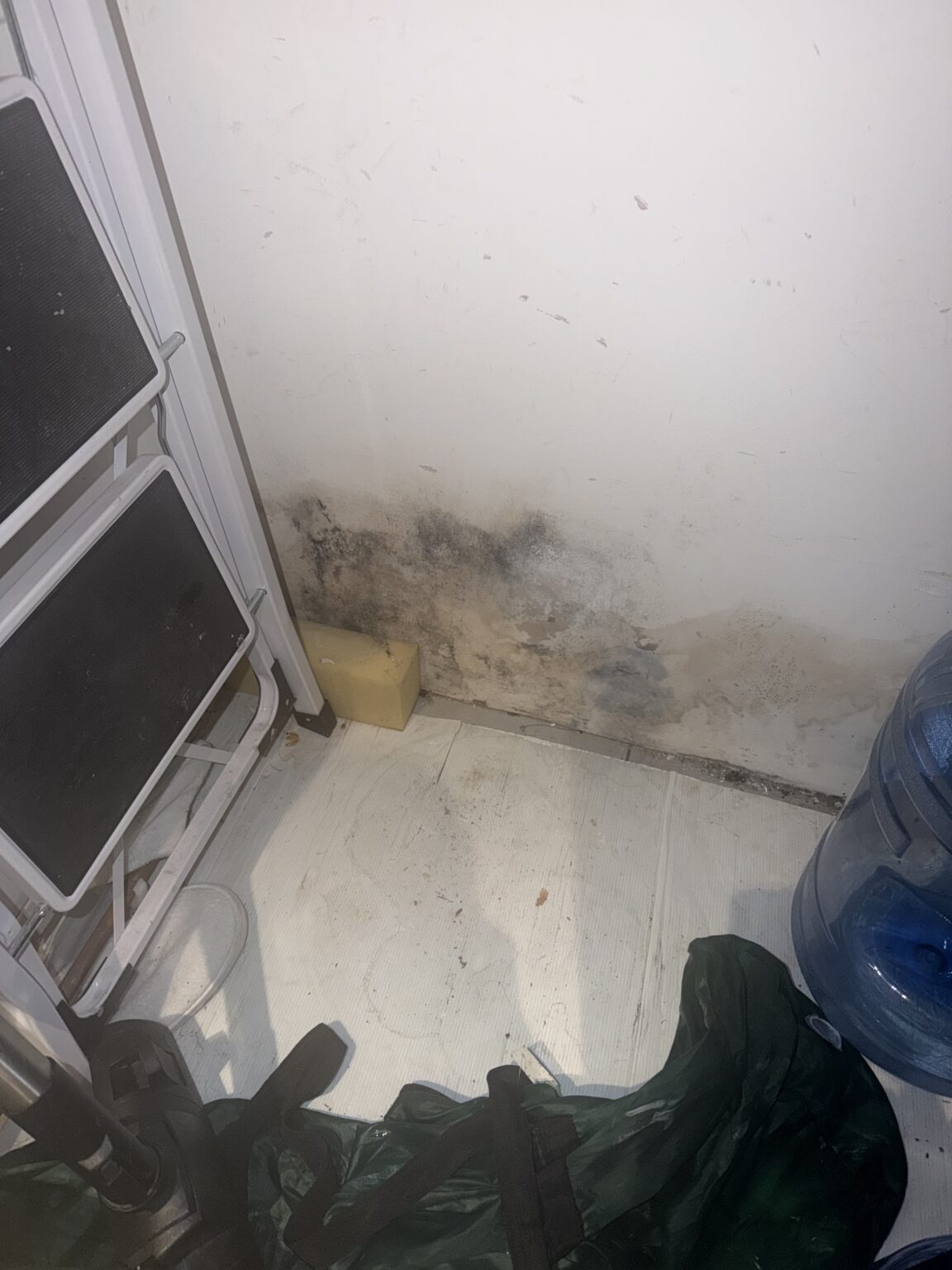
| Scope of Work | What Drives the Cost | Notes |
|---|---|---|
| Small room (e.g. bathroom, box room) | Lowest tier | Surface mould on tiles, ceiling, single wall |
| Medium room (bedroom, kitchen) | Number of affected surfaces | Multiple affected surfaces, moderate growth |
| Large room (living room, master bedroom) | Wall and ceiling area | Extensive wall coverage, ceiling affected |
| Multiple rooms (2 to 3 rooms) | Priced per property, not per room | Per-property pricing typically works out cheaper than separate rooms |
| Full property treatment | Highest tier | Whole-property fogging + surface treatment |
We do not publish a price list, because two rooms that look the same can need very different work. We confirm the price in writing before we attend, and anything beyond the agreed scope is quoted before it is done.
These are treatment-only prices. They do not include investigation of the underlying cause, replastering, redecoration, or any associated building works. See the hidden costs section below.
What Affects the Price of Mould Removal?
Two properties with the same size affected area can have very different treatment costs. These are the factors that move the price.
Surface Type
Painted plaster, bare brick, timber, grout lines, silicone seals, and cavity insulation all respond differently to anti-fungal treatment. Porous surfaces like bare plaster absorb mould spores deeply, requiring more product and more labour. Non-porous surfaces like ceramic tiles are faster and cheaper to treat. If mould has penetrated into plasterboard, sections may need to be cut out and replaced. That is a building work cost on top of treatment.
Severity and Coverage
Surface mould that has developed over a few weeks is very different from mould that has grown into a wall for years. Deep-seated mould requires more preparation, more product, and sometimes physical removal of contaminated material before treatment can begin.
The Cause of the Mould
If the mould is caused by condensation in a poorly ventilated bathroom, treatment is relatively straightforward. If the mould is caused by rising damp, penetrating damp, or a hidden leak, treating the surface mould without addressing the source is a waste of money. A reputable contractor will identify the cause before quoting, and may recommend a damp survey before treatment begins.
Access and Location
Ground floor rooms are straightforward. Mould in a loft space, behind fitted furniture, inside a wall cavity, or at height requires additional time and equipment. Confined spaces and limited access add cost.
Property Location
Labour rates in London are higher than in Kent or Surrey. Expect prices in central London to run 20 to 35% above rural Kent rates for the same scope of work.
DIY Mould Removal vs. Professional Treatment
DIY makes sense for:
- Small patches (less than 1 square metre) on non-porous surfaces such as tiles or glass
- Condensation mould in a well-ventilated bathroom where the cause is known and controlled
- Regular maintenance cleaning of surfaces prone to light mould
Professional treatment is the right choice when:
- The affected area covers more than 1 square metre
- The surface is porous (plaster, timber, plasterboard)
- The cause of the mould is unknown or suspected to be structural damp
- Occupants have health conditions, particularly respiratory conditions, asthma, or compromised immune systems
- The property is rented and you need a clearance report for legal protection
- Mould has returned after previous DIY treatment
What Is Included in a Professional Mould Treatment?
A professional mould removal service from a qualified contractor should include:
- Initial assessment: Visual inspection and moisture readings to identify the extent and likely cause
- Surface preparation: Removal of loose mould material before treatment
- Anti-fungal biocide application: Professional-grade fungicidal spray applied to all affected surfaces, far stronger than consumer products
- Encapsulant coating: A sealing layer applied over treated areas to prevent regrowth and bind any residual spores
- Post-treatment report: Written confirmation of what was treated, the products used, and guidance on preventing recurrence
Some contractors offer mould fogging, an airborne anti-fungal mist that penetrates soft furnishings and treats the entire room volume, not just surfaces. This is particularly useful for whole-property treatments or where mould spores have become airborne.
For landlords, a written clearance report after treatment is important documentation. Visit our mould treatment service page to see what our process covers.
Does Home Insurance Cover Mould Removal?
Standard home insurance does not cover mould removal as a standalone service. However, if the mould is caused by a hidden leak (a burst pipe inside a wall, a failed joint under a floor), the insurance claim may include what is known as trace and access cover. This pays for locating the leak and repairing the damage caused by accessing it, which can include the cost of replastering walls that were opened up during investigation.
What buildings insurance may cover (depending on your policy):
- Trace and access costs to locate a hidden leak
- Making good the structure after access (patching walls, floors)
- Damage to the building from the leak itself (in some policies)
What insurance does not cover:
- The cost of repairing the leaking pipe itself
- Mould treatment as a separate item (unless part of the making-good process)
- Redecoration after treatment
- Contents damaged by the mould
Always check your specific policy. If a hidden leak is involved, report it to your insurer before any work begins.
Hidden Costs to Budget For
The mould treatment itself is rarely the full cost. Depending on the severity and the underlying cause, you may also face:
- Damp survey: a fixed fee confirmed before we attend, essential if the cause is unknown
- Replastering: quoted per room if salt-contaminated plaster needs replacing after damp treatment
- Redecoration: quoted per room for repainting after treatment and replastering
- Ventilation installation: a positive input ventilation (PIV) unit or extractor fan upgrade, if condensation is the cause, quoted after the survey
- Structural damp proofing: the largest potential cost, only if rising or penetrating damp is confirmed as the root cause, always quoted separately after the survey
A proper diagnosis upfront saves you from spending on treatment that does not address the actual problem.
How to Get an Accurate Quote
When requesting quotes for mould removal, use these checkpoints:
- Require an in-person assessment: any quote given over the phone without a site visit is unreliable
- Ask what products they use: professional contractors use HSE-registered biocides, not consumer sprays
- Ask if the quote includes cause investigation, if not, ask how they will confirm the mould will not return
- Ask for a written report after treatment, this matters for landlords especially
- Check for guarantees: reputable contractors offer a guarantee period (typically 1 to 5 years) against recurrence
- Get at least two quotes: wide variation in price can indicate different scopes of work
Frequently Asked Questions
How much does mould removal cost for a single room in the UK?
The cost of professional mould removal depends on the size of the room, how many surfaces are affected, how severe the growth is and what caused it. A small bathroom with surface mould is the lowest tier; a whole-house treatment with fogging is the highest. We confirm a fixed price in writing before we attend rather than publishing a tariff.
Does bleach kill black mould on walls?
Bleach kills surface mould on non-porous surfaces like tiles. It does not penetrate porous surfaces like plaster or timber, meaning the spore structure embedded in the material survives. Mould treated with bleach on plaster walls typically returns within weeks. Professional anti-fungal biocides penetrate deeper and are far more effective on porous surfaces.
Will home insurance pay for mould removal?
Standard home insurance does not cover mould removal as a standalone service. If the mould is caused by a sudden hidden leak, trace and access cover may cover the cost of locating the leak and making good the access damage. The leaking pipe repair itself and redecoration are usually not covered. Always check your policy before proceeding with work.
How long does professional mould treatment take?
A single room mould treatment typically takes 2 to 4 hours. A full property treatment including fogging may take a full day. After treatment, rooms need to be ventilated and left to dry before reoccupation, usually 2 to 4 hours. The total time from survey to completion is typically 1 to 3 days depending on the scope of work.
How do I know if I need a damp survey before mould treatment?
You need a damp survey if the cause of the mould is uncertain, if mould has returned after previous treatment, if mould is appearing at low level on walls (which can indicate rising damp), or if there are damp patches on external walls (which can indicate penetrating damp). Treating mould without addressing the underlying cause is wasted money. The mould will return.
Get a Mould Removal Quote for Your Property
We cover London, Surrey, and Kent. In-person assessment, professional-grade treatment, and a written clearance report. Call today, price confirmed before we attend.
Last reviewed: 27 October 2026. Independent investigation and written reports. Repairs are quoted separately.