What Is Trace and Access Insurance Cover? (And How to Claim It)
You have a hidden leak somewhere in your home. You know water is getting in (or getting out from a pipe) but you cannot see where. Your insurer has mentioned trace and access cover and you are not sure what that means, what it pays for, or how the process works. This guide gives you a complete, plain-English explanation.
What Is Trace and Access?
Trace and access (T&A) refers to two distinct stages:
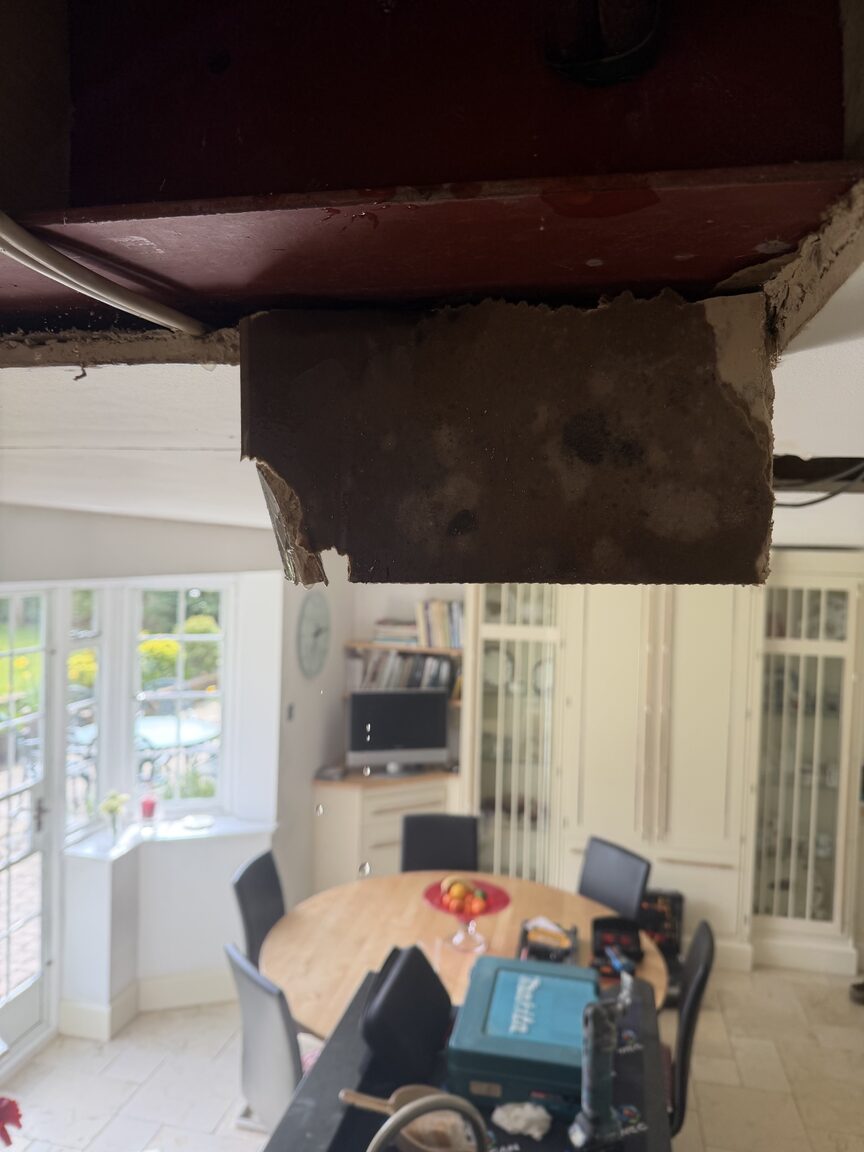
- Trace: Locating a hidden leak, finding precisely where it is within the building fabric
- Access: Gaining physical access to the leak location, which may involve lifting floorboards, opening up walls, cutting through tiles, or excavating below a floor
The “making good” element (reinstating the floor, wall, or ceiling that was opened up to reach the leak) is typically included within trace and access cover. What it does not include is the repair of the actual leaking pipe or fitting. That is a separate cost.
T&A cover exists because locating a hidden leak is expensive, time-consuming, and destructive. Without it, a homeowner could face the full cost of investigation and structural opening up before a single repair is even made.
What Standard Home Insurance Covers for Trace and Access
Most standard home insurance policies in the UK include trace and access cover as part of the buildings policy. The level of trace and access cover depends on your policy and insurer.
What the T&A cover typically pays for:
- The cost of specialist investigation to locate the hidden leak (acoustic listening equipment, thermal imaging cameras, tracer gas)
- The physical cost of opening up the building fabric to reach the leak, lifting floors, cutting walls, removing tiles
- Making good the opened areas after the leak is located and repaired, patching floors, replastering walls, reinstating tiles
The Trace and Access Process: Step by Step
Step 1: Report the Claim
Contact your insurer and report the leak. Be specific: where you first noticed the problem, when it started, what symptoms you can see (damp patches, dropping water pressure, increased meter readings). Do not attempt to open up walls or floors yourself before the insurer has approved the claim. Unauthorised work can invalidate cover.
Step 2: Loss Adjuster or Authorised Surveyor
Depending on the policy and the likely claim value, the insurer may appoint a loss adjuster to manage the claim, or they may authorise you to appoint a T&A specialist directly. Some insurers have a panel of approved contractors. Others allow you to choose your own specialist as long as they provide a written report.
Step 3: The Trace Survey
A qualified T&A specialist visits the property and uses specialist detection equipment to locate the leak non-invasively wherever possible. Methods include:
- Acoustic detection: Electronic listening equipment that detects the sound of water escaping under pressure, can locate pipe leaks to within centimetres through concrete and screeds
- Thermal imaging: Infrared cameras that detect temperature variations caused by escaping water, particularly effective for underfloor heating leaks and wet pipe runs within walls
- Tracer gas: A harmless gas (typically hydrogen/nitrogen mixture) is introduced into the pipe system; a detector on the surface identifies where the gas is escaping
- Endoscope cameras: For accessible cavities and voids
- Moisture mapping: Calibrated moisture meters used to identify the extent of water spread through floor and wall structures
The goal is to minimise the area that needs to be opened up. A professional T&A survey using the right equipment can reduce the access damage to a fraction of what a traditional “lift and look” approach would cause.
Step 4: The T&A Report
After locating the leak, the specialist produces a written report identifying the leak location, the likely cause, the access required, and the scope of making-good works. This report is submitted to the insurer or loss adjuster for approval before any physical access work begins.
Step 5: Access and Making Good
With the insurer’s authorisation, the access work proceeds, opening up only what is necessary to reach and repair the leak. After the plumber or drainage contractor has completed the pipe repair, the making-good works restore the structure: replastering, new tiles, floor reinstatement.
What Trace and Access Cover Does NOT Pay For
Understanding what is excluded is as important as knowing what is covered. Common exclusions:
- The pipe repair itself: Fixing the actual leaking pipe, fitting, or joint is not included in T&A cover. This is either a self-pay item or covered elsewhere in the policy (some policies cover sudden and unexpected escape of water damage to the pipe itself)
- Gradual leaks: Most policies exclude leaks that developed gradually over time rather than occurring suddenly. If a slow drip has been going on for months and caused progressive damage, the insurer may decline on the basis that the leak was not sudden or unexpected
- Redecoration: Making good the structure (replastering, tiles) may be covered, but redecoration (painting, wallpapering) is usually excluded
- Contents damage: Damage to furniture, flooring, and personal possessions caused by the leak is typically a contents insurance matter, not buildings T&A cover
- Works to prevent future leaks: Replacing an ageing pipe system as a precautionary measure is not covered
How to Choose a T&A Specialist
When your insurer allows you to choose your own trace and access specialist, look for:
- Documented use of acoustic and thermal detection, not just visual inspection and floorboard lifting
- A clear written report format that satisfies insurer requirements (most loss adjusters have a preferred format, ask beforehand)
- Experience working directly with insurers and loss adjusters
- Clear separation of the trace/detection phase and the access/making-good phase in their quotation
- No financial incentive to find the leak in the most accessible (rather than most accurate) location
Some T&A operators also carry out the pipe repair. There is an inherent conflict of interest when the same contractor locates the leak and carries out the repair, ensure any report from such a contractor is independently assessed before you authorise repair works.
The Independent Survey Option: Protecting Yourself Before You Claim
If you have a significant leak and are uncertain what your insurer will cover, commissioning an independent trace and access survey before lodging your claim can be a smart move. The independent report:
- Confirms the leak is hidden (not visible and therefore gradual)
- Provides a professional assessment of when the leak likely started
- Documents the extent of damage at the time of discovery
- Gives you an independent second opinion if the insurer’s own panel contractor produces a report you disagree with
Some insurers will reimburse the cost of a pre-claim independent survey if the claim is subsequently accepted.
Common Disputes in Trace and Access Claims
T&A claims are more frequently disputed than straightforward escape of water claims. The most common dispute scenarios:
Gradual vs. Sudden Leak
The insurer argues the leak was gradual and progressive rather than sudden and unexpected. Evidence that supports the policyholder: a sudden increase in water meter readings, an unexpected damp patch with no prior history, a professional report confirming recent onset. Evidence that undermines the claim: existing damp staining, previous complaints or insurance claims about the same area, a very corroded or degraded pipe that clearly failed over time.
Dispute Over T&A Cost
The insurer disputes the cost of the trace and access work, arguing the contractor charged more than the work warranted. Having a detailed written report with time records and equipment logs is the best counter. Always get the insurer’s pre-approval for costs above a certain threshold.
Dispute Over Making-Good Scope
The insurer agrees with the trace and access but disputes the scope of the making-good, for example, agreeing to plaster but not tiles, or agreeing to one section of flooring but not the whole run. Understanding exactly what your policy covers in advance avoids unpleasant surprises.
How Our Trace and Access Service Works
Our leak detection service uses acoustic listening equipment and thermal imaging cameras to locate hidden leaks with precision, minimising the area that needs to be opened up. We produce a detailed written report in a clear, evidence-based format for insurers and loss adjusters.
We do not carry out pipe repairs, which means our detection report is entirely independent. There is no incentive for us to find the leak anywhere other than where it actually is.
For drainage-related leaks (particularly where a broken underground drain is the source of damp or ground movement), we also offer CCTV drain surveys, which provide video evidence of the defect directly to the insurer.
Frequently Asked Questions
What does trace and access insurance cover pay for?
Trace and access cover pays for the cost of locating a hidden leak using specialist detection equipment, the physical cost of opening up the building fabric to access the leak location (lifting floors, cutting walls), and making good the opened areas after the repair is complete (replastering, tile replacement, floor reinstatement). It does not pay to repair the leaking pipe itself, for redecoration, or for contents damage caused by the leak.
How much trace and access cover does a standard home insurance policy include?
Trace and access may be covered under buildings insurance, depending on the policy. We provide insurance-ready reports and evidence to support the claim. Check your policy schedule for the exact limit and any sub-limits that apply. Some policies require you to use the insurer’s panel contractors; others allow you to appoint your own specialist.
Will my insurer pay for trace and access if the leak is gradual?
Most policies cover only sudden and unexpected leaks, not gradual seepage over time. If an insurer can show that a leak developed progressively (through corrosion, slow joint failure, or longstanding damage) they may decline the claim or reduce the payout. A professional independent report documenting the likely onset of the leak is valuable evidence if this is disputed.
Do I need to use my insurer’s contractor for trace and access?
It depends on your policy. Some insurers require you to use their approved panel contractors. Others allow you to choose your own specialist, provided they produce a report in an acceptable format. Check your policy wording before appointing anyone. If you do use your own contractor, confirm the cost and scope with your insurer before work begins to avoid disputes over reimbursement.
What methods are used to locate hidden leaks without causing damage?
Professional trace and access specialists use acoustic detection equipment (which listens for the sound of pressurised water escaping), thermal imaging cameras (which detect temperature variations caused by water movement), and tracer gas (introduced into the pipe system to identify the escape point at surface level). These methods allow precise leak location, minimising the area of floor or wall that needs to be opened up. The best T&A surveys combine multiple methods to cross-verify the location before any physical access begins.
Need a Trace and Access Survey for an Insurance Claim?
We use acoustic detection and thermal imaging to locate hidden leaks with precision, and produce written reports written for insurers. Covering London, Surrey, and Kent.
Last reviewed: 27 October 2026. Independent investigation and written reports. Repairs are quoted separately.