Find Any Hidden Leak — Without Tearing Up Your Home
A hidden water leak doesn’t stay hidden for long — it shows up as a damp patch, a warm spot on the floor, a hissing pipe or a water bill that suddenly jumps. We locate leaks in supply pipes, central heating, underfloor heating and waste pipes using thermal imaging, acoustic listening and tracer gas, usually to within a few centimetres — so nothing is opened up until we know exactly where the problem is. Same-day appointments across London and Surrey, 24/7 for emergencies, and if you’re claiming on insurance we produce the trace and access report your insurer asks for.
What is Trace and Access Leak Detection?
Trace and access is the process of locating a water leak using specialist detection equipment — without the need to open up walls, lift floors or remove ceilings until the exact location of the leak has been confirmed. Traditional methods of finding leaks involved lifting floor tiles, opening ceiling voids and removing large sections of plaster in the hope of finding the source. Modern specialist equipment allows us to pinpoint leaks to within a few centimetres before any access work is needed.
At Damp Mould Leak, we use a combination of thermal imaging cameras, acoustic listening devices, tracer gas and endoscopy to locate leaks in hot and cold water supply pipes, central heating systems, underfloor heating, waste pipes and structural water ingress — all across London and Surrey.
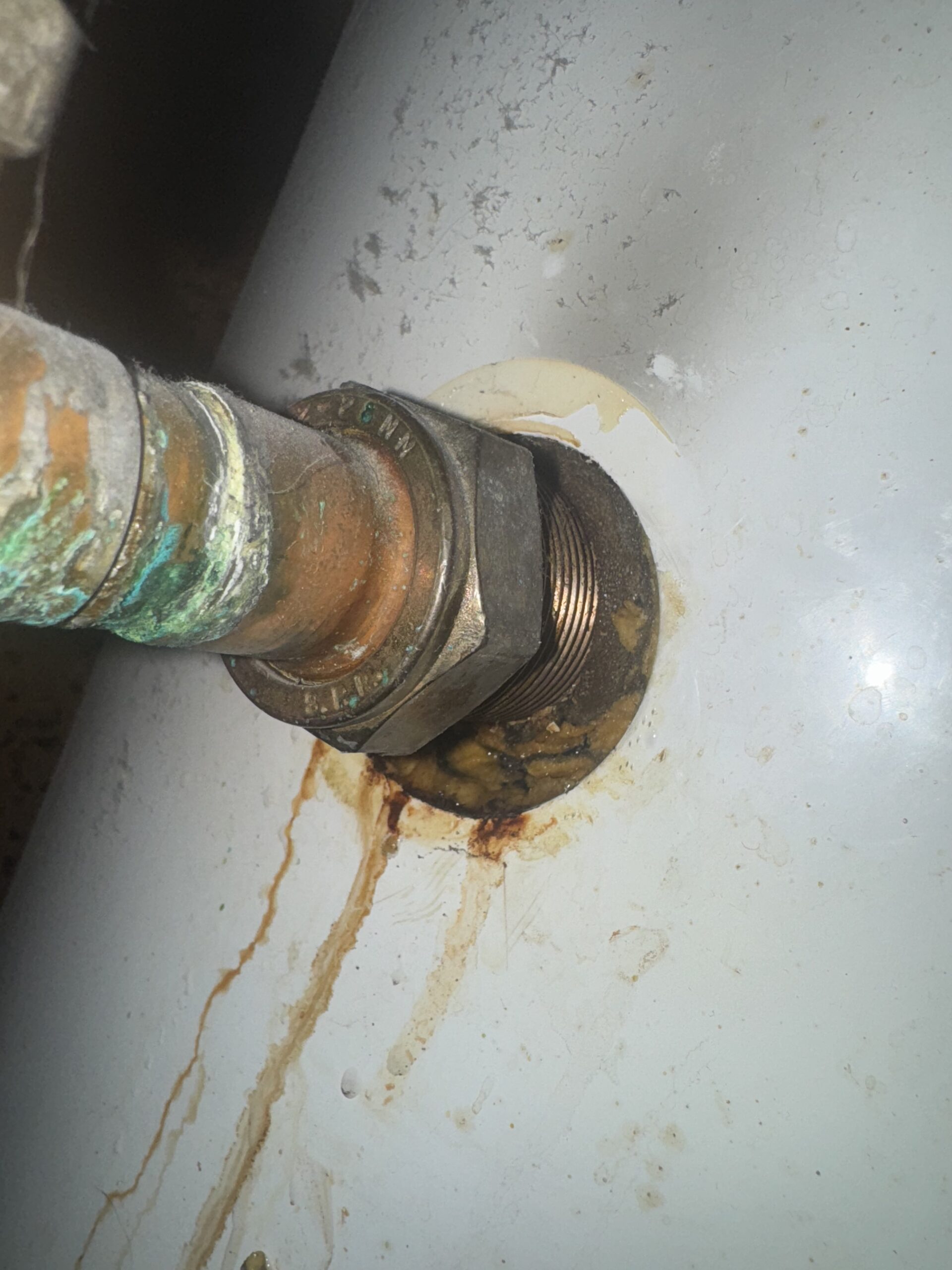
Why Hidden Leaks Are So Damaging
A slow hidden leak can go undetected for months. In that time, water saturates insulation, rots structural timbers, creates ideal conditions for black mould and causes significant damage to finishes. By the time a damp patch or stain becomes visible, water may have been tracking through the building structure for a considerable distance from its actual entry point.
This is why professional leak detection pays for itself — by finding the exact source before major access works are needed, we minimise the damage to your property and the cost of reinstatement.
Our Detection Methods
Thermal Imaging
Thermal imaging cameras (infrared) detect temperature differences in surfaces — water behaves differently to dry materials as it heats and cools. We use thermal imaging to map water pathways through floors, walls and ceilings without any access.
Acoustic Leak Detection
Acoustic listening devices and ground microphones detect the sound of water escaping from pressurised pipes. Combined with pipe location equipment, we can identify the source of mains, supply and central heating leaks to within centimetres.
Tracer Gas Detection
We pressurise the suspected pipe with a safe hydrogen/nitrogen gas mixture. The gas escapes from even the smallest pinhole and rises to the surface, where it is detected using a highly sensitive gas sniffer. Accurate to within 2–3cm.
Pressure Testing
We isolate sections of pipework and monitor pressure decay. This confirms a leak is present, indicates its approximate location and quantifies the severity before any access work begins.
Endoscopy
Small, flexible cameras fed into access holes, voids and ducts allow us to visually inspect pipework, joints and structure without significant opening up. Often used to confirm thermal or acoustic findings.
Dye Testing
Water-soluble fluorescent dye is used to trace water paths through drainage systems, rainwater goods and structural voids — confirming the connection between a suspected source and the damage point.
Types of Leak We Locate
- Central heating leaks — pinhole leaks in copper or plastic pipework, failed joints and corroded sections beneath floors and behind walls
- Mains water supply leaks — underground MDPE pipes and internal rising mains
- Hot and cold water supply leaks — shower trays, baths, basins and kitchen appliances
- Underfloor heating leaks — pipe failures within screed floor systems
- Roof and rainwater leaks — tracing the true entry point of water appearing inside from roof-level sources
- Structural water ingress — identifying where groundwater or surface water is entering basements, voids and subfloor spaces
- Waste and drainage leaks — internal soil and waste pipe failures causing damp within wall and floor voids
What Happens After We Find the Leak?
Once we have confirmed the exact location of the leak using our detection equipment, we provide you with a full written report showing the precise location, the method used to locate it, and our recommended repair options. If you have an insurance claim, this report provides the independent evidence your insurer requires.
Our in-house team can then carry out the repair works directly — making the access hole, completing the repair and carrying out full reinstatement. No need to source a separate plumber or builder.
Frequently Asked Questions
How long does leak detection take?
Most jobs are completed within 2–4 hours. Complex properties with multiple pipe runs or extensive damage may take longer. We will give you a realistic time estimate before we start.
Will you need to open up my walls or floors?
Only once we have positively located the leak. We confirm the source using non-invasive equipment first, then make a single targeted access point rather than exploratory opening up.
Can you find a leak in underfloor heating?
Yes. We use a combination of tracer gas and thermal imaging to locate leaks in underfloor heating systems accurately within the screed — minimising the area that needs to be opened up.
Do you provide reports for insurance claims?
Yes. Our trace and access reports are independent, detailed and prepared to the standard major UK home insurers require. We can also liaise with your loss adjuster if required.
Do you cover London and Surrey?
Yes. We cover all of South and South-West London, Greater London and the full Surrey area. Same-day surveys are available for emergencies.
Related Services
Ready to Get Started?
Surveys available across London and Surrey. Same-day attendance available.
Areas we cover across London & Surrey
Our engineers and surveyors work throughout South West London and Surrey. We’re based in New Malden and regularly attend Kingston, Wimbledon, Raynes Park, Worcester Park and Surbiton, as well as Putney, Wandsworth, Richmond, Twickenham, Mitcham, Sutton, Epsom and the wider London & Surrey area. Not sure if we cover you for leak detection? Call 0800 054 1524 and ask.
Request a survey or callback
Tell us what’s happening and one of our team will get back to you — usually within 2 hours during business hours. Prefer to talk now? Call 0800 054 1524 or WhatsApp 07733 019492. 24/7 emergency call-outs across London & Surrey.
Send Us a Message
The report each of you needs
Homeowners · Landlords · Property Managers · Estate Agents · Housing Associations & Councils · Insurers