Damp, mould and leaks in Addiscombe
Damp Surveys, Mould & Leak Detection in Addiscombe
From a ceiling stain that keeps coming back to a boiler that will not hold pressure, our team traces the real cause in Addiscombe properties first and opens up only where the evidence points, covering CR0 in the London Borough of Croydon.
Get a call back☎ 0800 054 1524WhatsApp us
Fully insured · Non-invasive methods first · Written reports included · London & Surrey
Why Addiscombe homes get damp, mould and hidden leaks
Addiscombe is an area of south London in the London Borough of Croydon, about nine miles south of Charing Cross, east of Croydon town centre, south of Woodside and west of Shirley. Its early industries were farming and brick-making from the clay deposits at Woodside. The great houses (Addiscombe Place and Ashburton House among them) gave way to streets of Victorian housing from the 1890s, and the remaining land was infilled with smaller developments by the 1930s.
Those two building periods account for most of what our engineers investigate here. Victorian terraces and semis bring solid or early-cavity walls, suspended timber ground floors, bay windows and shared party walls, so penetrating damp at bays and chimneys, rising damp where garden levels have crept up, and leaks under original floors are common. The 1930s houses add rear additions and flat-roofed extensions where condensation mould gathers, and later conversions to flats pass leaks from one floor to the next.
Leak detection is the search that brings Addiscombe residents to us, and the approach is non-invasive first: readings, thermal imaging, acoustic listening and tracer gas before any opening-up. The report sets out the cause and the fix; where remedial work follows, our team quotes it and carries it out or manages it.
Housing in Croydon (Census 2021): of 152,945 households, 55% own their home, 26% rent privately and 18% rent from a council or housing association. By building type, 29% live in purpose-built flats, 11% in flats within converted or commercial buildings, 23% in terraces, 25% in semi-detached houses and 12% in detached houses.Source: ONS Census 2021, tables TS054 (tenure) and TS044 (accommodation type), via Nomis.
How we can help in Addiscombe
The same methods on every job: measure, trace, prove, then fix.
Leak detection
We locate concealed supply, heating and waste leaks under floors and behind finishes, and mark the exact spot.
Trace & access (insurance)
The trace, the minimal opening-up and the written evidence your buildings insurer expects.
Insurance-ready reports
Findings, cause, photographs and moisture readings in a report you can forward as soon as you receive it.
Urgent leaks & burst pipes
Urgent cases are prioritised when water is coming through a ceiling or a pipe has burst.
Mould treatment & investigation
Growth on walls, ceilings or behind furniture is measured, traced to its moisture source, treated and reported.
Damp & mould surveys
A proper diagnosis (condensation, penetrating or rising damp) so you fix the right thing once.
Moisture mapping & thermal imaging
The non-invasive toolkit that finds the problem without exploratory holes.
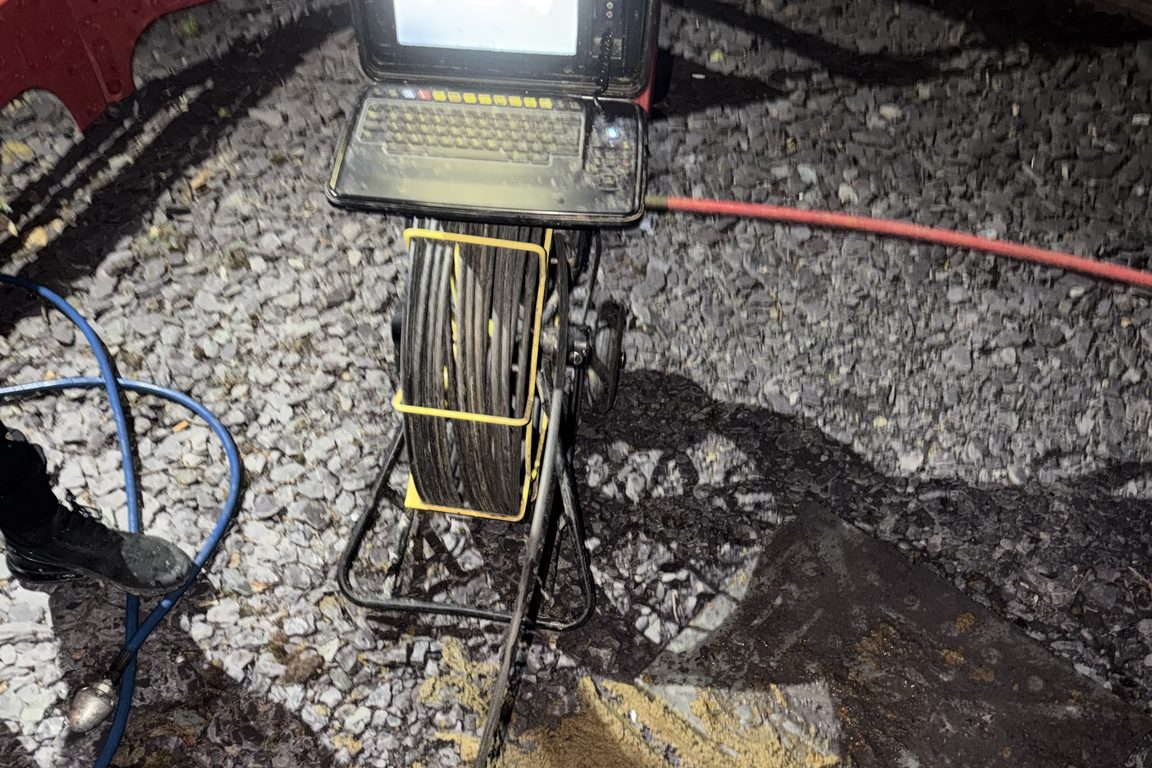
CCTV drainage surveys
Camera surveys that find blockages, collapses and leaking joints that feed damp into a property.
Bathroom and shower leaks: the usual suspects
The ceiling below a bathroom is the most common place an Addiscombe homeowner first sees a leak. Failed silicone at a bath or shower tray, a cracked grout line, a loose waste trap, a weeping compression joint behind the panel and a shower valve leaking inside the wall all produce the same stain below, and each needs a different fix.
Rather than open the ceiling, our team tests the bathroom from above: moisture mapping around the fittings, flood tests of the tray and seals, thermal imaging while fittings run, and acoustic or tracer-gas tracing for pressurised pipework. The report names the fitting at fault and our team quotes and carries out the repair.
Condensation, penetrating or rising damp?
The three main types of damp need three different fixes, and misdiagnosis is the most expensive mistake an Addiscombe homeowner can make. Condensation shows as mould and surface moisture on cold spots. Penetrating damp tracks in from outside through failed pointing, cracked render, leaking gutters or a roof detail, and gets worse after rain. Rising damp sits in the lowest metre of a ground-floor wall with a tide mark and salts, and is rarer than the damp-proofing trade suggests.
We take calibrated readings in a grid up the wall, check external defects, test for salts where it matters and look at ground levels and drainage outside. The report says which type you have and what to do about it, and if an injected damp course is not needed, it says that too.
Recurring mould in Addiscombe homes
If mould has been wiped off and painted over more than once, the moisture source has not been dealt with. Converted flats and older terraces in Addiscombe often combine cold external walls, limited extract ventilation and the odd hidden leak, and the result is growth that returns a few weeks after redecorating.
We separate condensation from leaks and damp with calibrated readings, then treat the growth and specify what has to change: a repair, better extraction, insulation at a cold bridge, or all three. Under Awaab’s Law social landlords must investigate and fix damp and mould hazards to set timescales, and the private rented sector is following; our reports are written to serve as that investigation record.
Sub-floor ventilation and the timber beneath Addiscombe floors
Suspended timber ground floors rely on air moving through the void beneath them. Over the decades air bricks get painted over, covered by decking or buried under a raised path, and the void turns into a damp, still space where joists slowly take on moisture and decay starts at the ends nobody can see.
Lifting a board or two and reading the timber is part of how our team investigates low-level damp. Moisture content, decay, ventilation and any plumbing in the void go into the report together with what has to change, often as simple as reinstating airflow and fixing a weeping pipe, sometimes replacing a run of joist ends.
Working with loss adjusters and managing agents
Escape-of-water claims in Croydon move more smoothly when the adjuster receives a clear, independent account of the cause. We photograph before, during and after, record the readings, and set out the cause and the extent of damage in plain English.
For managing agents dealing with a leak between flats, the same report establishes responsibility and supports the claim on the right policy. Written workmanship terms apply to any repair our team carries out afterwards.
Real investigations by our team
Photographs from our own investigations across London & Surrey; the list below records recent work our team has done around Addiscombe.
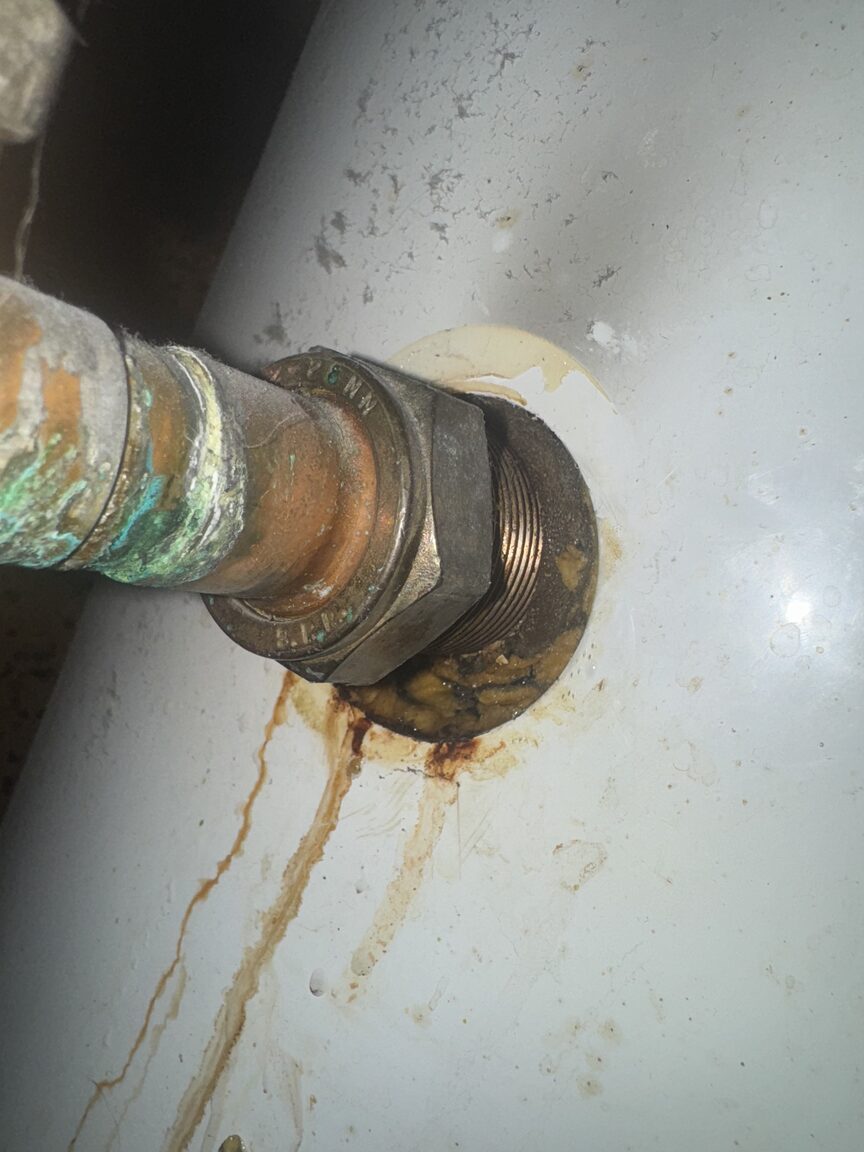
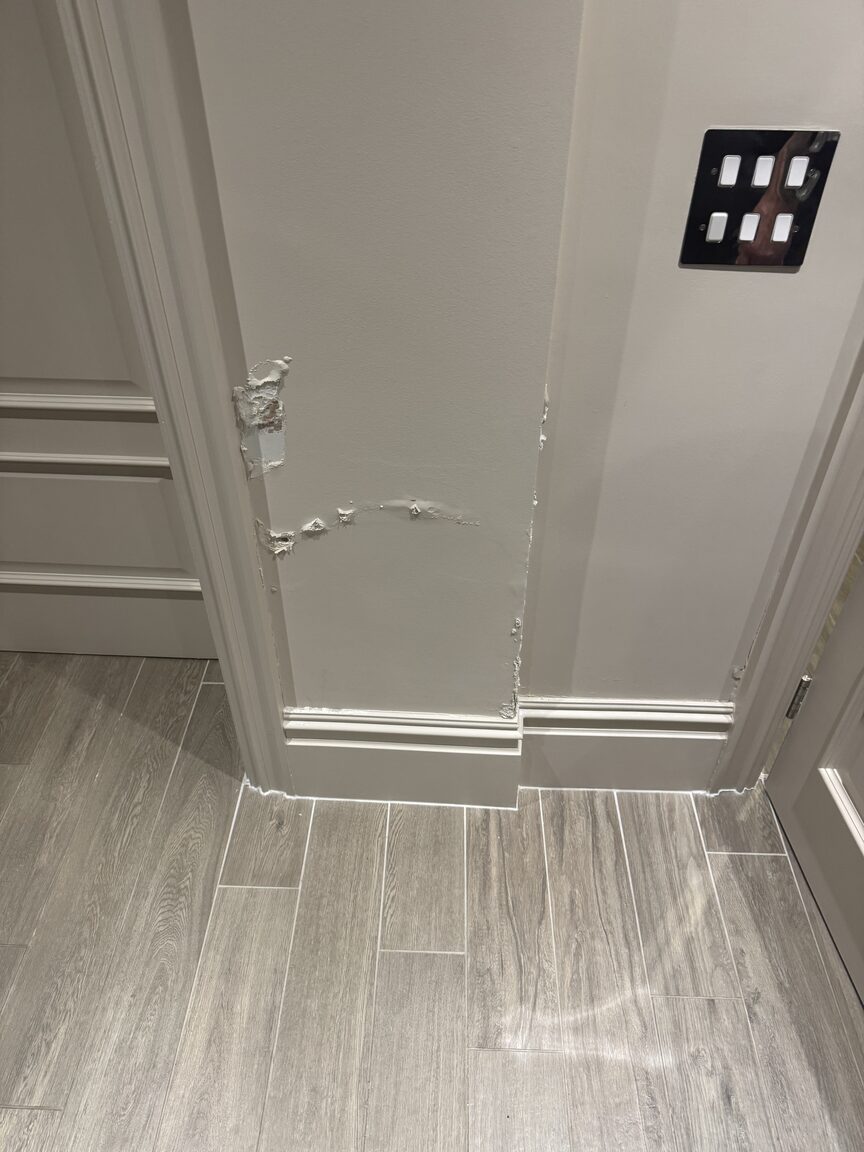
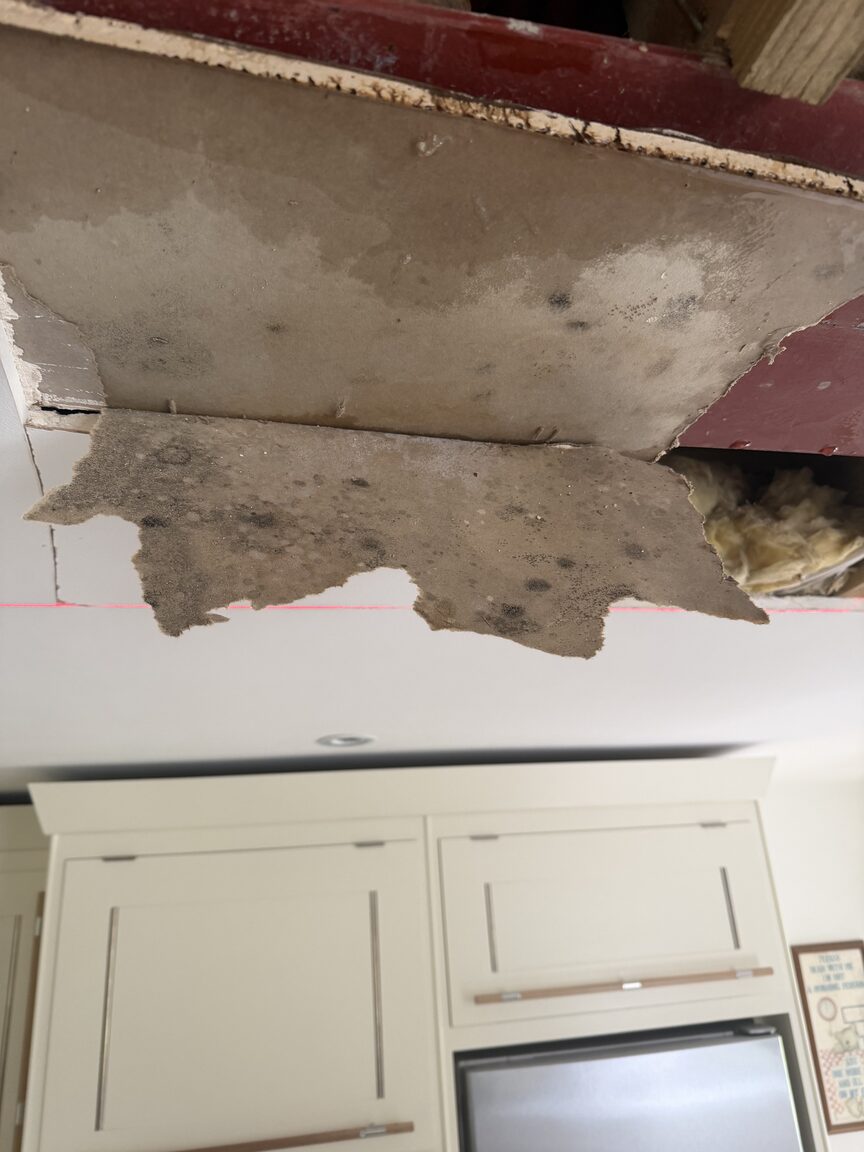
- South Norwood nearby: damp and mould investigation with a written report, July 2026.
How we investigate
Instruments before tools: the opening-up, if any, happens at one proven spot.
History first
What you have seen, when it started, what has already been tried. All of it narrows the search before we arrive.
Measuring, not guessing
Surface and depth readings with calibrated meters establish how wet, how deep and how far the moisture goes.
Seeing the temperature
A thermal camera shows evaporative cooling from wet areas and warm lines from heating pipes without touching the surface.
Pinpointing pipe leaks
Acoustic listening and tracer gas, where suitable, locate the leak to a small area before any opening-up.
Pressure testing
Pressure testing of heating and supply pipework where suitable.
The written record
Dated photographs, readings, thermal images and a plain-English conclusion, followed by a quote for the repair if one is needed.
The report, and what follows it
The report sets out what we found, how we found it, what caused it and what should happen next, with the photographs and readings to back each point. If the next step is a repair, our team prices it as a separate item and can do the work or manage it on your behalf.
Book a damp, mould or leak investigation in Addiscombe
The quickest route is the phone; the form and WhatsApp work too. Either way one of our engineers calls you back to arrange the visit.
Get a call back☎ 0800 054 1524WhatsApp us
Insured
Included
Prioritised
Evidence Reports
Terms
Get a call back about your Addiscombe property
A few details about the problem and the property, and we will ring you to talk it through. Urgent? Call 0800 054 1524 now.
Areas we cover around Addiscombe
South Croydon · Thornton Heath
We also attend Shirley, Woodside, Selhurst, South Norwood, Waddon and Elmers End.
Elsewhere in Croydon: Norbury · Purley · Kenley · Sanderstead
Part of Croydon borough page · All London boroughs · CR postcode area · All locations
Addiscombe: your questions answered
Will my insurance pay for trace and access?
Trace and access may be covered under buildings insurance, depending on the policy. We provide the insurance-ready report and evidence to support the claim; the decision on cover rests with your insurer.
Can you find a leak in Addiscombe without damaging walls or floors?
Yes, that is the point of the investigation. Thermal imaging, acoustic listening, tracer gas and moisture mapping locate the leak first, so any opening-up is a single targeted access rather than exploratory holes.
Will you tell me if there is no leak?
Yes. Some investigations end with no leak found (condensation, a one-off spill or an old, dried-out stain) and the report says so plainly. A written negative result is often exactly what a water company or insurer needs.
What should I do before you arrive?
Nothing destructive. Leave the stain as it is, note when it changes and what was running at the time, make sure we can reach the stop tap, boiler and the rooms affected, and have any previous reports or photographs to hand.
I am a landlord in Croydon. What do I get?
A written investigation record with cause, evidence and recommendations, suitable as supporting evidence for housing and compliance matters, plus a quote for any works. It is the document Awaab’s Law timescales assume you have.
Last reviewed: 27 October 2026. Independent investigation and written reports. Repairs are quoted separately.