Damp, mould and leaks in Kensington
Trace & Access, Damp & Mould Surveys in Kensington
Wet patch, musty smell, mould that will not stay away? Our team covers Kensington (SW7, W8 and W14) in the Royal Borough of Kensington and Chelsea, finds the source with instruments rather than guesswork, and puts cause, evidence and the recommended repair in writing.
Get a call back☎ 0800 054 1524WhatsApp us
Fully insured · Non-invasive methods first · Written reports included · London & Surrey
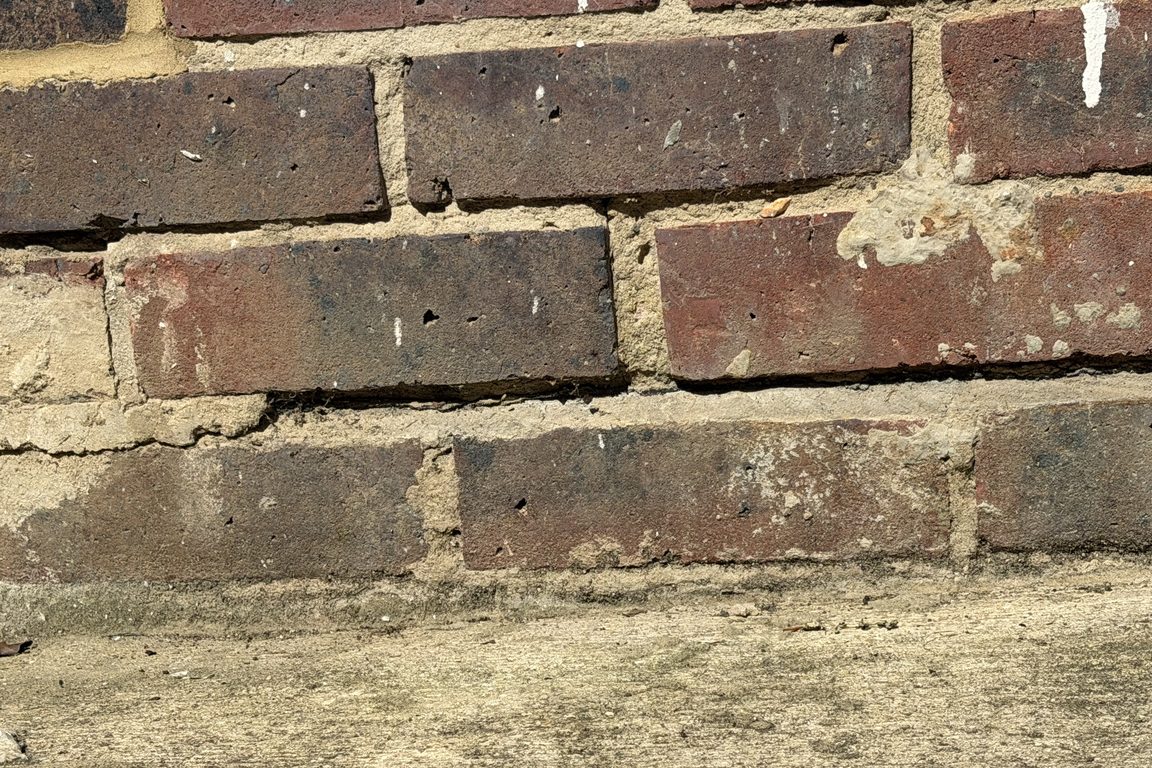
Why Kensington homes get damp, mould and hidden leaks
Kensington sits in the Royal Borough of Kensington and Chelsea, about three miles west of Charing Cross, in the smallest and one of the most densely populated boroughs in London. That density comes largely from the subdivision of the area’s big mid-rise Georgian and Victorian terraced houses, typically four to six floors, into flats, while South Kensington and Earl’s Court remain largely private housing and the borough itself owns around 9,500 social homes, concentrated in North Kensington.
For our engineers that history is the whole story. A terrace that was built as one house and now holds four or five flats has shared walls, stacked bathrooms and kitchens, altered pipe runs and a single roof and front elevation serving everyone. A slow leak from a bath waste two floors up shows as a stain on a ceiling below; blocked parapet gutters and failed stucco and render let rain into the top-floor flat; lower-ground flats take the brunt of raised external ground and old drains. Our job is to establish whose leak it is and where it enters, and to put the evidence in writing for the managing agent and the insurers involved.
Searches from Kensington are as often about dry rot as about damp, and the two go together: dry rot needs a persistent moisture source, and in a converted terrace that is usually a long-standing leak behind a finish nobody has looked behind. We trace the water first, then establish how far the fungus has travelled and what has to be removed, treated or changed.
Housing in Kensington and Chelsea (Census 2021): 66,884 households: 32% owner-occupiers, 40% private renters, 28% social renters. Housing stock: purpose-built flats 57%, converted and other flats 26%, terraced 13%, semi-detached 3%, detached 1%.Source: ONS Census 2021, tables TS054 (tenure) and TS044 (accommodation type), via Nomis.
Kensington: investigation, report, repair
Diagnosis first, then the right repair, each stage in writing.
Leak detection
When the water is coming from somewhere nobody can see, our instruments find it and our report explains it.
Trace & access (insurance)
Targeted access at the leak point only, with the photographs and readings a loss adjuster asks for.
Insurance-ready reports
Independent written evidence of what leaked, where, and what it damaged.
Urgent leaks & burst pipes
For active leaks we prioritise attendance and isolate the source before the damage spreads.
Mould treatment & investigation
Investigation first, then treatment of the affected surfaces and a written record for landlords and tenants.
Damp & mould surveys
Room-by-room moisture mapping that separates condensation from penetrating and rising damp.
Moisture mapping & thermal imaging
Infrared scanning and calibrated meters that map the wet area and point to its source.
CCTV drainage surveys
Drain condition surveys when the damp is at low level and the gully or soil stack is the suspect.
Woodworm, rot and what the moisture meter says
Most timber problems in Kensington homes trace back to water. Beetle attack is far more active in damp wood, wet rot needs sustained wetting, and dry rot needs both moisture and poor ventilation. Treat the wood without drying it and the problem comes back; dry it and much of the activity stops on its own.
So our timber inspections start with moisture: where it is, where it is coming from and how long it has been there. The report then distinguishes historic, inactive damage from live decay, says which timbers need replacing, and specifies the moisture fix. Our team quotes and carries out or manages the works.
Finding hidden leaks in Kensington without damage
A hidden leak announces itself indirectly: a stain that reappears after redecorating, a musty smell, a combi boiler that needs topping up every week, a water meter that turns when every tap is off. The old approach was to start opening things up and hope. We work the other way round.
Thermal imaging shows the temperature change a leak causes under a floor or behind a wall; acoustic listening picks up pressurised water escaping; tracer gas introduced into a drained pipe is detected at the surface above the leak; calibrated moisture mapping separates the active leak from old damp. We open up one exact spot, not several guesses.
Rising damp: real, but rarer than you have been told
True rising damp exists, but in Kensington many walls diagnosed with it are actually suffering from condensation at low level, a plumbing leak, a bridged damp course or ground that has been built up against the wall over the years. An injected chemical damp course does nothing for any of those.
We test rather than assume: moisture profile up the wall, salt analysis where it changes the answer, a check of external ground levels, drains and the position of the damp-proof course. When rising damp is genuine we say so and set out the remedy; when it is not, the report says what the problem really is.
Recurring mould in Kensington homes
If mould has been wiped off and painted over more than once, the moisture source has not been dealt with. Converted flats and older terraces in Kensington often combine cold external walls, limited extract ventilation and the odd hidden leak, and the result is growth that returns a few weeks after redecorating.
We separate condensation from leaks and damp with calibrated readings, then treat the growth and specify what has to change: a repair, better extraction, insulation at a cold bridge, or all three. Under Awaab’s Law social landlords must investigate and fix damp and mould hazards to set timescales, and the private rented sector is following; our reports are written to serve as that investigation record.
What the trace and access report contains
Each report records the property and the affected rooms, the methods used, the moisture readings and thermal images, the identified source, the access made, and the recommended repairs and drying.
It is the document a loss adjuster, solicitor, surveyor or housing officer can act on without a second visit, and it stays on file for any later dispute over cause or responsibility.
Real investigations by our team
Photographs from our own investigations across London & Surrey; the list below records recent work our team has done around Kensington.
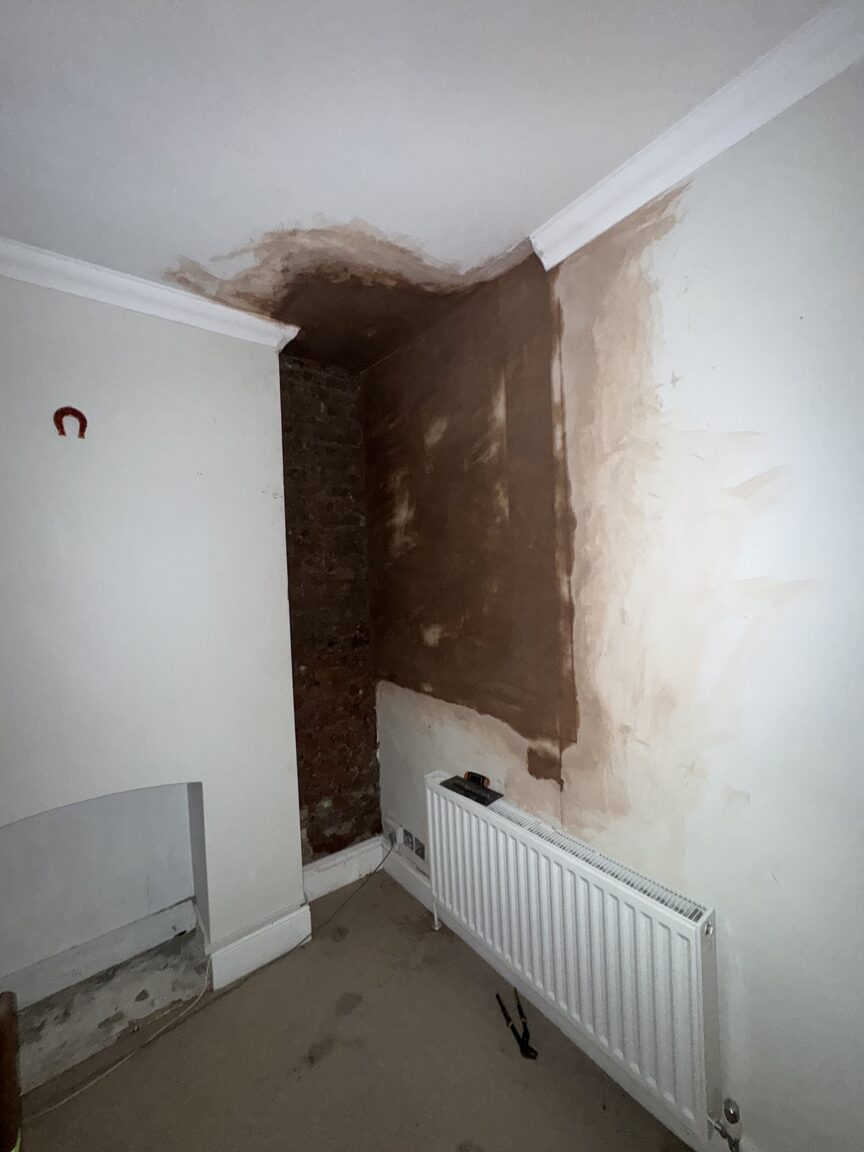
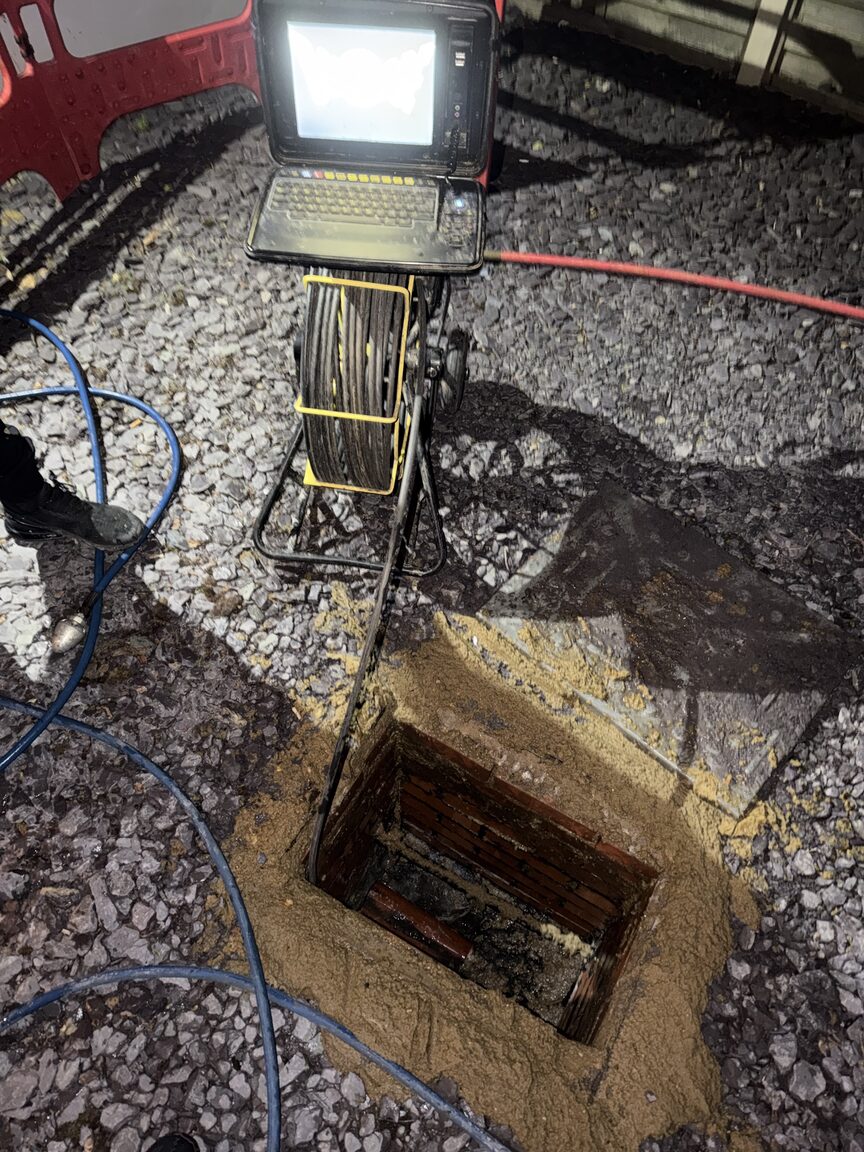
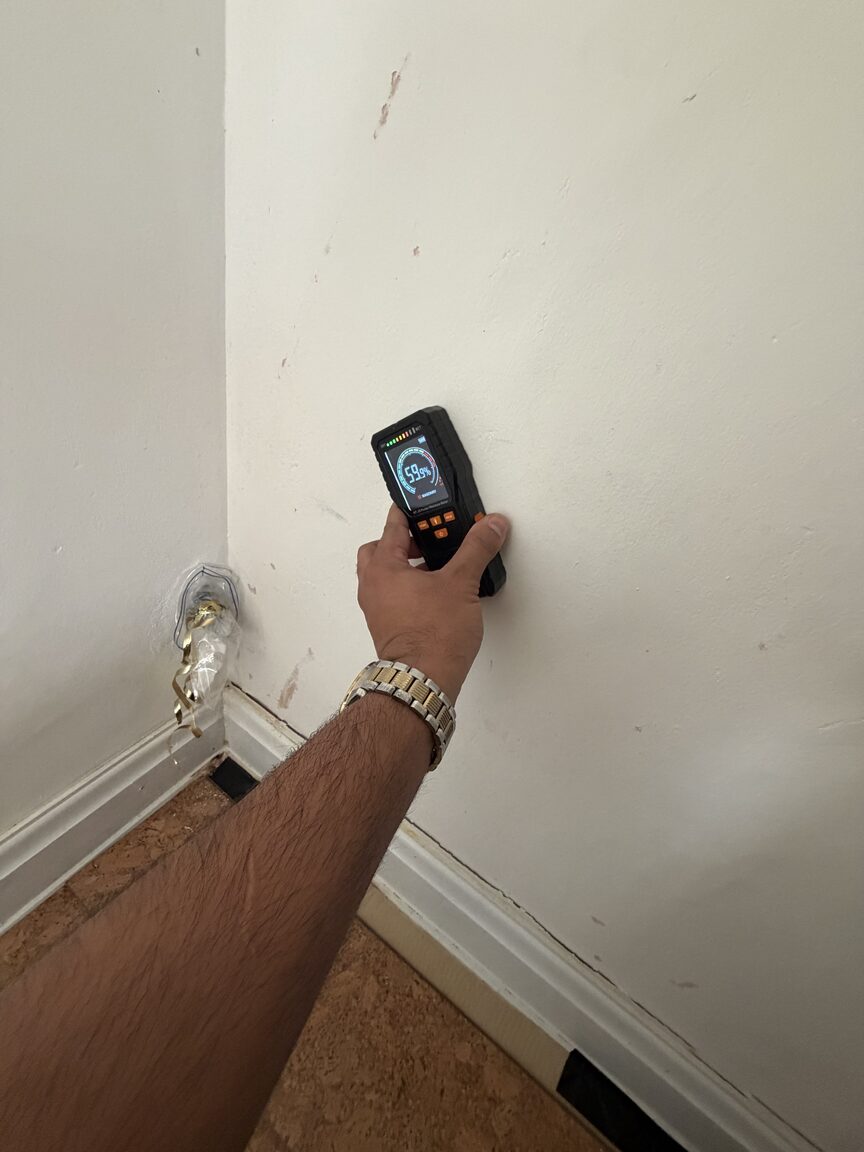
- North Kensington same borough: mould survey, report, treatment, July 2026.
How we investigate
Six stages, the same on every job, each one recorded in the report.
Look and listen
We start by walking the property with you: every stain, smell and soft patch is a clue to where the water is.
Moisture profile
Readings taken in a pattern up and across the wall reveal whether the water is rising, penetrating or condensing.
Seeing the temperature
A thermal camera shows evaporative cooling from wet areas and warm lines from heating pipes without touching the surface.
Acoustic & tracer gas
Acoustic listening and tracer gas, where suitable, to pinpoint concealed pipe leaks.
Pressure testing
Pressure testing of heating and supply pipework where suitable.
The written record
Dated photographs, readings, thermal images and a plain-English conclusion, followed by a quote for the repair if one is needed.
What you receive
Every investigation ends with a written report: findings, cause, evidence and recommendations, laid out so an insurer, landlord, buyer or housing officer can act on it. Repairs are quoted separately and carried out or managed by our team when you want us to.
Book a damp, mould or leak investigation in Kensington
Describe the problem, we confirm the scope and the price, and an engineer is booked. Urgent, active leaks are moved to the front.
Get a call back☎ 0800 054 1524WhatsApp us
Insured
Included
Prioritised
Evidence Reports
Terms
Get a call back about your Kensington property
Use this form for anything that can wait for a call back. For a leak happening right now, phone 0800 054 1524 instead.
Kensington and the areas next to it
We also attend South Kensington, Knightsbridge, West Kensington, Bayswater, West Brompton, Brompton and Paddington.
Elsewhere in Kensington and Chelsea: Chelsea
Part of Kensington and Chelsea borough page · All London boroughs · SW postcode area · All locations
Common questions from Kensington customers
Do you work with managing agents and freeholders in Kensington and Chelsea?
Regularly. We investigate leaks and damp between flats, establish responsibility with evidence, and provide a report the agent, freeholder and leaseholders can all rely on. Remedial works are quoted separately.
Is the tracer gas you use harmless in an occupied home?
The tracer gas used for water-leak detection is a harmless, non-flammable mix introduced into a drained pipe; it is not mains gas and is widely used in occupied homes. Our engineers explain the process before using it.
Can you find a leak in Kensington without damaging walls or floors?
Yes, that is the point of the investigation. Thermal imaging, acoustic listening, tracer gas and moisture mapping locate the leak first, so any opening-up is a single targeted access rather than exploratory holes.
I am a landlord in Kensington and Chelsea. What do I get?
A written investigation record with cause, evidence and recommendations, suitable as supporting evidence for housing and compliance matters, plus a quote for any works. It is the document Awaab’s Law timescales assume you have.
Why does my mould keep coming back after cleaning?
Because mould is a symptom. Until the moisture source (condensation, a leak or damp) is dealt with, it returns. We find the cause first and set out the fix in writing so any treatment that follows lasts.
Last reviewed: 27 October 2026. Independent investigation and written reports. Repairs are quoted separately.