Black Mould in Your Home: The Health Risks You Need to Know
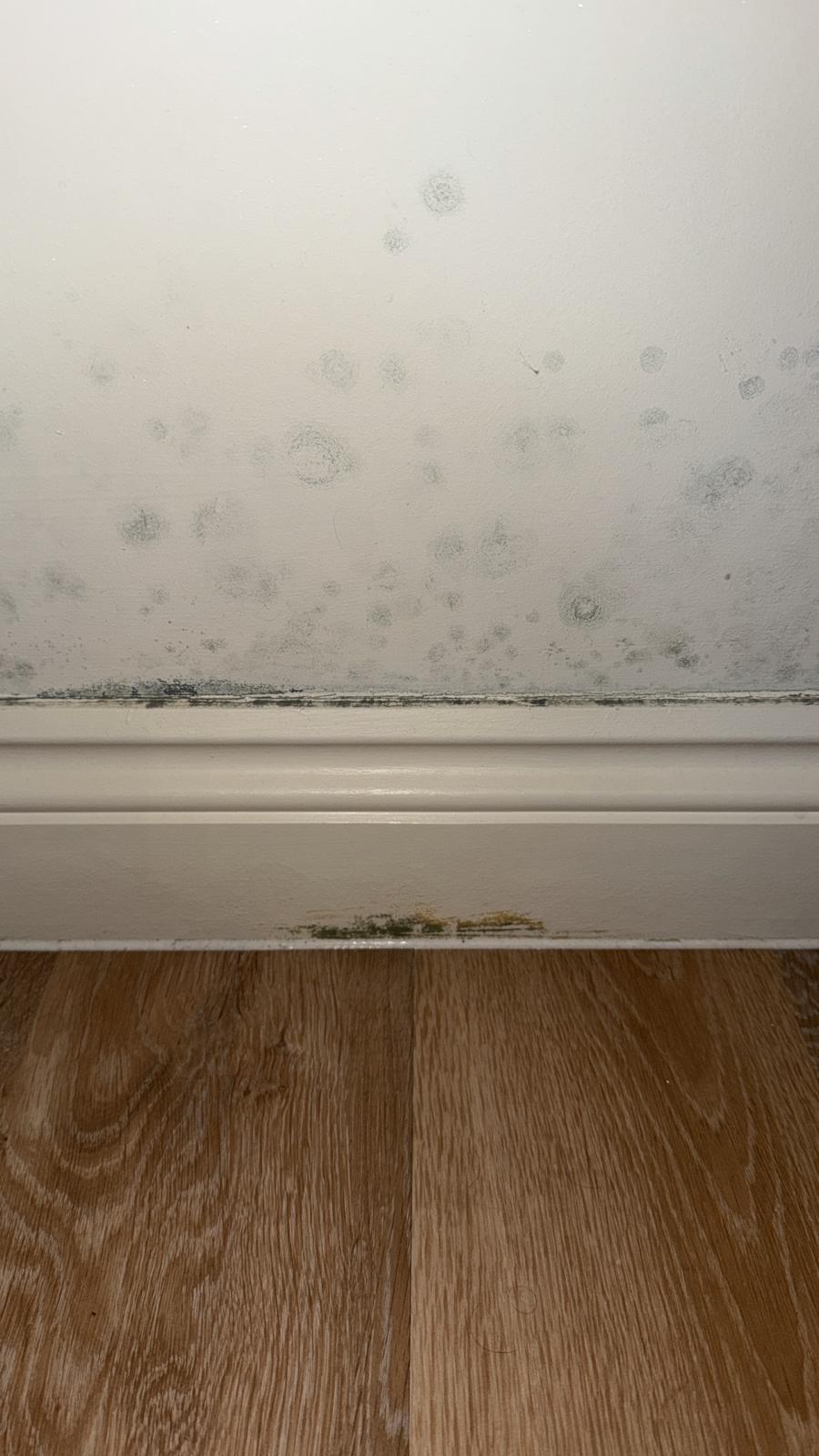
Linked to the death of Awaab Ishak in 2020 and subject to new legislation. Black mould is a serious health issue, not something to paint over.
In 2020, two-year-old Awaab Ishak died from respiratory failure caused by prolonged exposure to black mould in his social housing home in Rochdale. The subsequent inquest and Awaab’s Law have transformed how mould is treated in social housing, but the health risks exist in all property types.
Black mould (most commonly Stachybotrys chartarum, but also including Cladosporium and Aspergillus species) is a fungus that thrives in damp, poorly ventilated conditions. It produces microscopic spores and, in the case of Stachybotrys, mycotoxins that can be harmful to health.
What Health Problems Does Black Mould Cause?
Respiratory Conditions
The NHS states clearly that people living in damp and mouldy homes are more likely to have respiratory problems, respiratory infections, allergies and asthma. Mould spores inhaled into the lungs cause inflammation and can trigger or worsen: asthma attacks, chronic cough and wheezing, shortness of breath, and recurrent respiratory infections including bronchitis and pneumonia.

Allergic Reactions
Mould is a potent allergen. Exposure causes allergic rhinitis (persistent runny nose, sneezing, itchy eyes), skin rashes, eczema flares and in sensitised individuals, severe allergic reactions.
Mould Toxins (Mycotoxins)
Some moulds, including Stachybotrys, can produce mycotoxins. UK health guidance (UKHSA) says damp and mould can produce allergens, irritants, mould spores and other toxins that are harmful to health, with the clearest evidence for respiratory effects. Some people also report headaches, tiredness or difficulty concentrating in damp, mouldy homes; if symptoms persist, speak to your GP.
Who Is Most at Risk?
- Children under 5: whose immune systems are still developing and who spend more time at home
- Elderly people: whose immune responses are reduced
- People with asthma: mould spores are a primary trigger for asthma attacks
- Immunocompromised individuals: including cancer patients and those on immunosuppressant medications
- Pregnant women: mould exposure during pregnancy has been linked to adverse outcomes
Awaab’s Law: What It Means for Tenants
Following Awaab Ishak’s death, the Government introduced Awaab’s Law as part of the Social Housing (Regulation) Act 2023. Social housing landlords are now legally required to investigate damp and mould within 10 working days of a report, send a written summary within 3 working days of the investigation, and deal with emergency hazards within 24 hours.
If you are a tenant in social housing and have black mould in your home, you have a legal right to have it investigated and treated promptly. Our independent surveys provide the written evidence needed to enforce these rights.
What to Do If You Have Black Mould
- Do not try to scrub it off with bleach. This spreads spores and does not address the underlying moisture
- Ensure the room is well ventilated and wear a mask and gloves if you are cleaning small areas
- Report it to your landlord in writing if you are a tenant
- Keep children and vulnerable individuals out of severely affected rooms
- Get a professional mould inspection to identify the type, extent and moisture source
Painting over black mould is not a solution. It is likely to return unless the moisture source is identified and fixed. Lasting results come from fixing the moisture source and professionally treating the affected areas.
Read more about our professional mould treatment service and mould inspections.
Need a professional survey?
We cover all of London and Surrey. Urgent cases are prioritised.
Last reviewed: 27 October 2026. Independent investigation and written reports. Repairs are quoted separately.