Damp Proofing & Treatment Across London & Surrey
Surveys by qualified surveyors, moisture mapping and long-term waterproofing — from rising damp to penetrating water ingress.
What is Damp Proofing?
Damp proofing is the process of treating, preventing and managing moisture within a building’s structure. It covers everything from rising damp travelling up through walls from the ground, to penetrating damp entering through the external fabric of the building, to condensation building up on cold surfaces inside the property.
At Damp Mould Leak, we carry out professional damp surveys using calibrated moisture meters, thermal imaging cameras and visual inspection techniques to identify exactly what type of damp is present, where it is coming from, and what needs to happen to resolve it long-term — not just temporarily.
Types of Damp We Treat
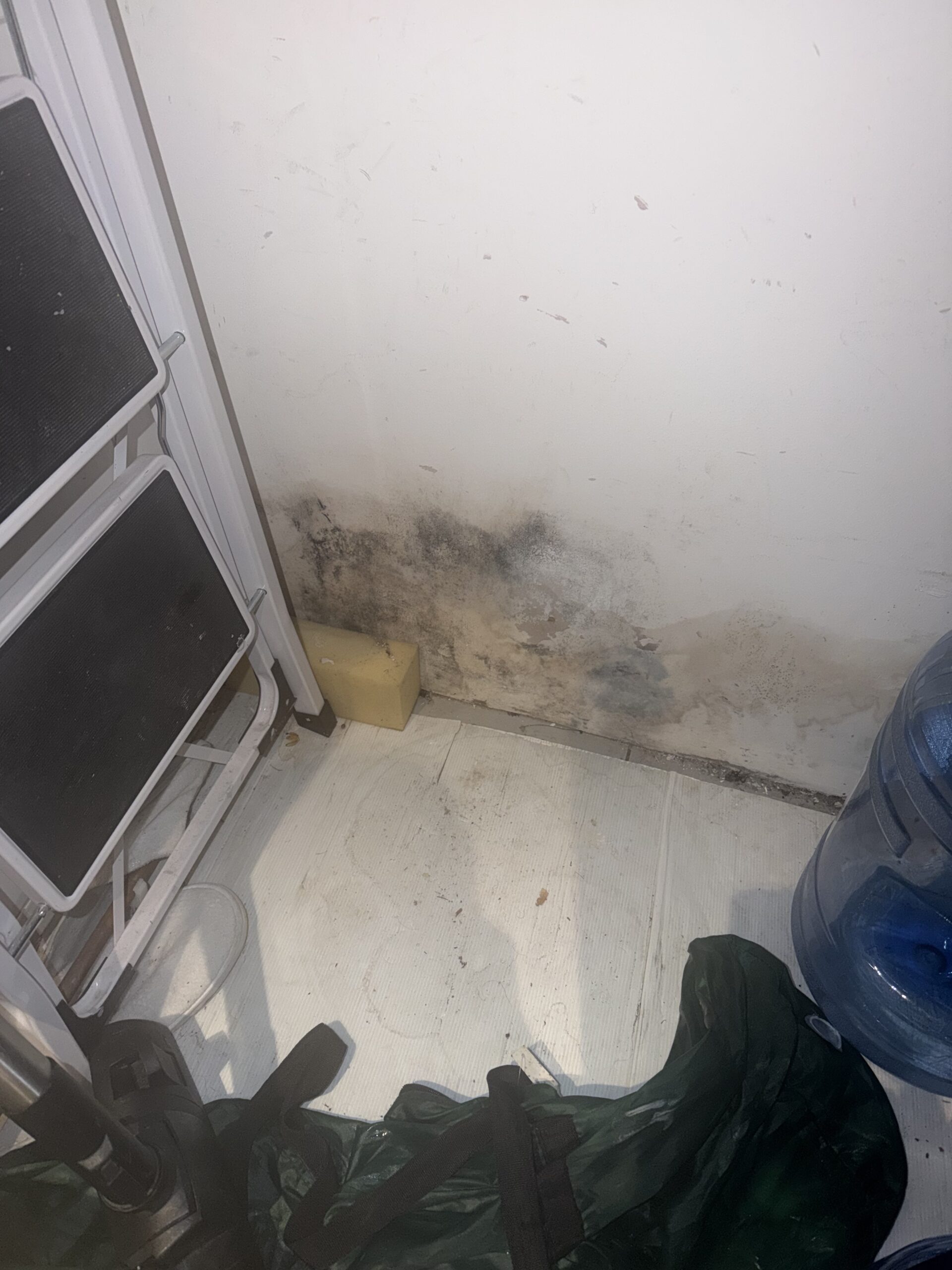
Rising Damp
Rising damp occurs when ground moisture travels upwards through the fabric of a wall by capillary action — the same process that draws water up a sponge. It typically affects the lower sections of walls and is identified by characteristic tide marks, white salt deposits (efflorescence)and peeling wallpaper or plaster at skirting level.
The primary treatment for rising damp is the installation or restoration of a damp proof course (DPC). We use chemical DPC injection — a proven, minimally invasive method that involves injecting a water-repellent silicone cream into the mortar course to create a permanent moisture barrier.
Penetrating Damp
Water entering through the external walls, roof, windows or floors from outside. Common causes include failed pointing, cracked render, blocked gutters and defective flashings. Treated by addressing the entry point and applying appropriate waterproofing.
Condensation
The most common form of damp — warm moist air contacting cold surfaces and depositing moisture. Can cause black mould growth and structural staining. Treated through improved ventilation, PIV units and thermal improvements.
Structural Damp
Caused by defects in the building structure — failed cavity walls, bridged DPC, poorly installed lintels or inadequate drainage around the property. Requires structural assessment and targeted repair.
Basement Damp
Hydrostatic pressure from groundwater forcing moisture through basement walls and floors. Treated with cavity drainage membranes, sump pumps and tanking systems.
The Consequences of Untreated Damp
Damp that is left untreated does not stay static — it gets worse. Over time, persistent damp leads to:
- Black mould growth — particularly Stachybotrys chartarum(black mould), which poses serious respiratory health risks
- Structural timber decay — wet rot and eventually dry rot in joists, rafters and timber frames
- Plaster failure — damp plaster salts crystallise and blow the surface, requiring full replastering
- Deterioration of decorations — wallpaper peeling, paint flaking, staining
- Damage to possessions and furniture stored near affected walls
- Health impacts including asthma exacerbation, allergic reactions and respiratory infections — particularly affecting children and the elderly
Under Awaab’s Law (Social Housing Regulation Act 2023), social housing landlords are legally required to investigate damp and mould within 14 days and begin remediation within 7 days of confirmation. We provide professional, evidence-based reports to support compliance and tenant complaints.
How We Carry Out a Damp Survey
Step 1 — Site Assessment
We begin with a full visual inspection of all affected areas, externally and internally. We examine the property fabric for signs of defects, water ingress points and moisture patterns.
Step 2 — Moisture Mapping
Using calibrated moisture meters, we take readings at multiple points across the affected walls and floors to map the extent of moisture penetration and identify the high-risk zones.
Step 3 — Thermal Imaging
Where appropriate, we use thermal imaging cameras to identify cold spots, heat bridges and areas of hidden moisture that may not be detectable by surface inspection alone.
Step 4 — Written Report
We produce a full written damp survey report, typically within 24 hours, including photographic evidence, moisture readings, identified damp types, root cause analysis and a detailed remediation plan with costings.
Step 5 — Treatment
Our in-house team carries out all recommended works — DPC injection, replastering, waterproofing coatings and ventilation — without the need for a separate contractor.
Step 6 — Sign-Off
On completion, we provide a certificate of treatment and a guarantee on all works carried out. Reports are prepared to the standard insurers and housing providers require.
Damp Proofing Treatment Methods
Depending on the type and severity of damp identified in our survey, we may recommend and carry out one or more of the following treatments:
- Chemical DPC injection— silicone cream injected into mortar courses to create a rising damp barrier
- External waterproof coatings— breathable masonry treatments that repel water while allowing moisture vapour to escape
- Internal tanking— cementitious tanking slurry applied to basement and ground-floor walls to create an impermeable surface
- Cavity drainage membrane systems— for basements, directing water to a sump and pump rather than attempting to hold it back
- Repointing and render repair— repairing the external fabric to prevent penetrating damp
- Ventilation improvement— positive input ventilation (PIV) units, extractor fans and airbrick installation to address condensation
- Replastering— replacement of damp-damaged plaster with salt-resistant backing coat after damp treatment
Frequently Asked Questions
How do I know if I have rising damp or condensation?
Rising damp typically shows tide marks and white salt deposits at low level (below 1 metre). Condensation tends to affect cold surfaces at all heights, especially north-facing walls, window reveals and corners. Our survey will confirm the exact type.
Does damp proofing work on old properties?
Yes. Chemical DPC injection is suitable for most brick and stone properties including Victorian and Edwardian buildings. We assess the construction type first to recommend the most appropriate treatment.
How long does a damp survey take?
Typically 1–2 hours depending on the size of the property and the number of affected rooms. The written report is typically delivered within 24 hours of the survey.
Will damp come back after treatment?
If the root cause is correctly identified and treated, properly carried out damp proofing is a long-term solution. We guarantee our works and address contributing factors like defective gutters, drainage and ventilation as part of our recommendations.
Can I get an Awaab’s Law compliant report?
Yes. Our damp survey reports are structured to meet the requirements of the Social Housing (Regulation) Act 2023 and are written for local authorities, housing associations and solicitors.
Related Services
Ready to Get Started?
Surveys available across London and Surrey. Same-day attendance available.
The report each of you needs
Homeowners · Landlords · Property Managers · Estate Agents · Housing Associations & Councils · Insurers