Rising Damp vs Condensation: How to Tell the Difference
Two of the most common damp problems in UK homes, but they need very different treatments. Getting the diagnosis right is essential.
Damp is one of the most common problems in UK properties, but not all damp is the same. Two types that are frequently confused are rising damp and condensation: and misdiagnosing them can lead to expensive, ineffective treatment.
This guide explains the key differences, how to identify each type, and what to do about them.
What is Rising Damp?
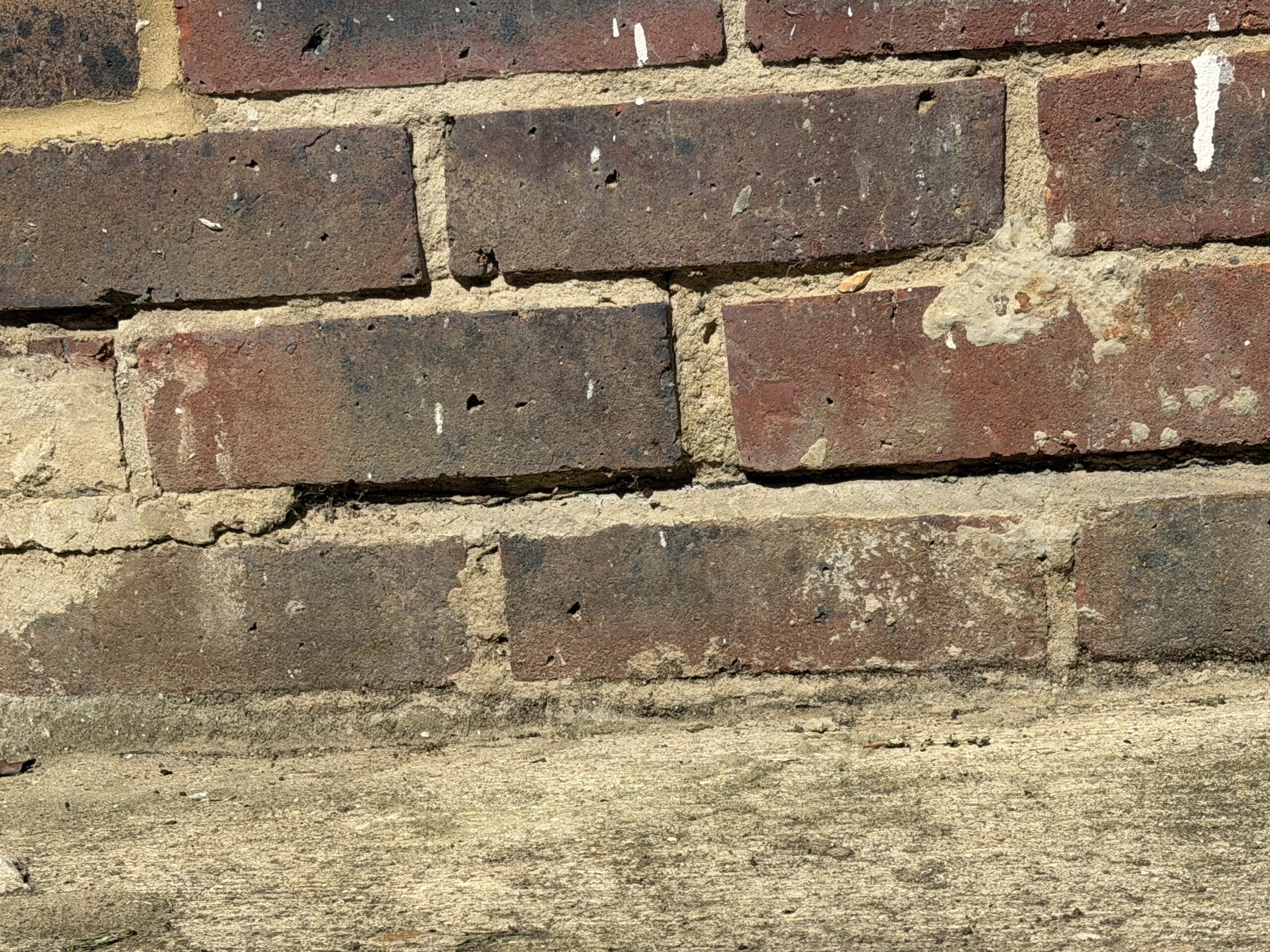
Rising damp occurs when groundwater moves upwards through the fabric of a wall by capillary action, the same mechanism that draws water up a wick. It affects the lower sections of walls, typically up to around 1 metre in height, though severe cases can reach higher.
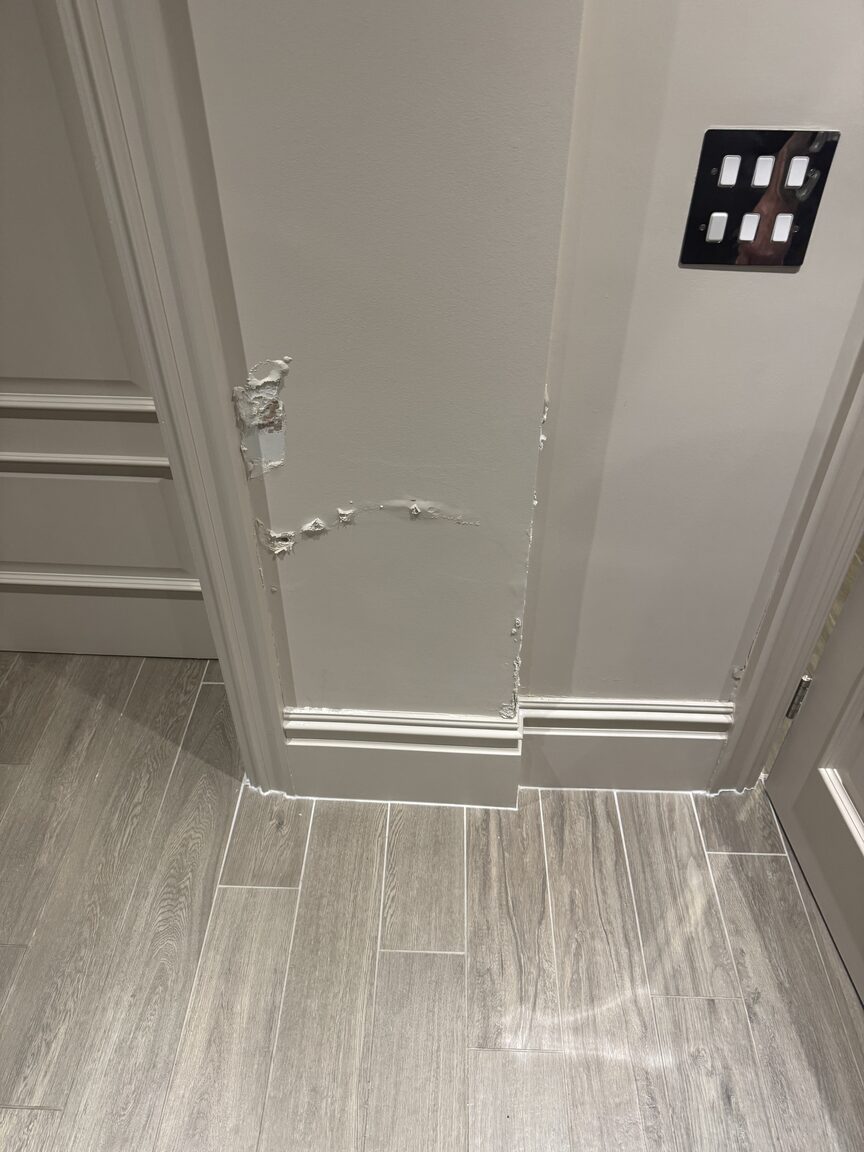
Rising damp is most common in older properties built before damp proof courses (DPCs) were standard practice, or in properties where the original DPC has failed, been bridged or been installed incorrectly.
Signs of Rising Damp
- Tide marks: a distinct horizontal line or band of staining on the wall, usually 0.5 to 1 metre above floor level
- White salt deposits (efflorescence): white crystalline deposits left on the wall surface as water evaporates and salts are drawn out of the masonry
- Peeling wallpaper and plaster at low level, starting from the skirting board and moving upwards
- Damp smell: a persistent musty smell at the base of walls
- Rotting skirting boards: timber skirting boards in contact with damp masonry will decay over time
- Only affects ground floor: rising damp cannot pass through solid concrete floors, so it is confined to the lowest level of the property
What is Condensation?
Condensation is the most common form of damp in UK homes. It occurs when warm, moisture-laden air comes into contact with a cold surface (typically external walls, windows or corners) and deposits moisture. Unlike rising damp, condensation is caused by conditions inside the property rather than external moisture.
It is particularly common in poorly ventilated properties, in rooms with high moisture production (bathrooms and kitchens), and in properties that have been insulated without adequate ventilation upgrades.
Signs of Condensation
- Black mould growth: particularly in corners, on north-facing walls and around window reveals
- Streaming windows: water collecting on glass surfaces, especially in the morning
- Damp patches at all heights: condensation is not limited to low-level walls
- Worse in winter: the temperature differential between inside and outside increases in cold weather
- Musty smell throughout the property: not confined to low level
Key Differences at a Glance
| Feature | Rising Damp | Condensation |
|---|---|---|
| Height | Below 1m | Any height |
| Tide marks | Yes, classic sign | No |
| Salt deposits | Yes | No |
| Mould growth | Possible at low level | Yes, corners & cold surfaces |
| Seasonality | Year-round | Worse in winter |
| Floor level | Ground floor only | Any floor |
It is possible to have both rising damp and condensation in the same property. Rising damp treatment won’t fix condensation, and vice versa. A professional damp survey will confirm which type (or types) are present.
Why Getting the Diagnosis Right Matters
Both types of damp are treatable, but with completely different methods. Rising damp typically requires DPC injection, replastering with salt-resistant materials and addressing any bridging. Condensation requires improved ventilation (PIV units, extractor fans, airbricks) and sometimes thermal improvements.
A misdiagnosis can mean spending money on DPC injection when ventilation improvements were needed, or installing a ventilation system when the real problem is a failed DPC. A professional damp survey takes the guesswork out of it.
Read more about our professional damp survey service and damp proofing treatments.
When to Call a Professional
- Damp is returning despite your own attempts to treat it
- You can see tide marks or salt deposits on walls
- Mould keeps coming back even after cleaning
- You are buying a property and want an independent assessment
- You are a landlord who needs a report for Awaab’s Law compliance
Need a professional survey?
We cover all of London and Surrey. Urgent cases are prioritised.
Last reviewed: 27 October 2026. Independent investigation and written reports. Repairs are quoted separately.