Awaab’s Law is one of the most significant changes to housing legislation in England in recent years, and if you’re a tenant living with damp or mould, or a landlord responsible for managing a property, you need to understand what it means for you.
What Is Awaab’s Law?
Awaab’s Law is named after Awaab Ishak, a two-year-old boy who died in December 2020 as a direct result of prolonged exposure to black mould in his family’s social housing flat in Rochdale. The subsequent inquest made national headlines and prompted urgent calls for reform of housing standards in England.
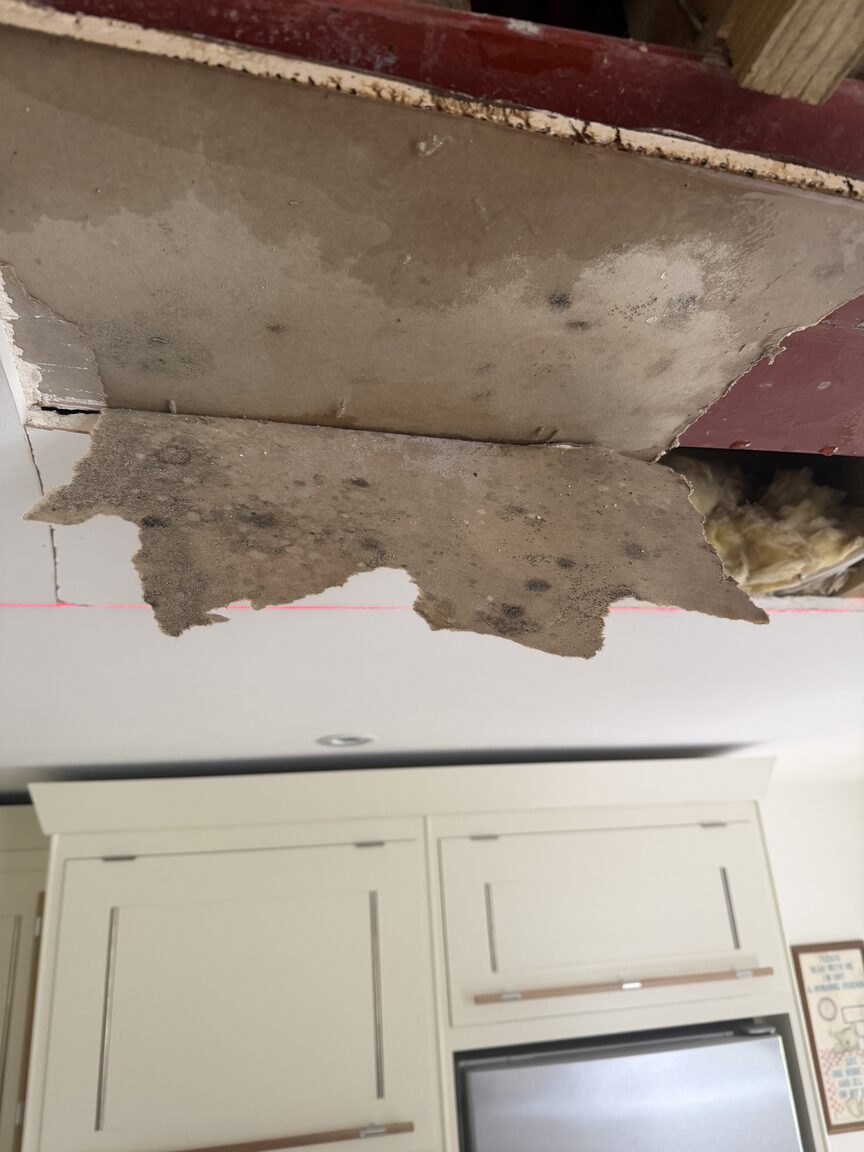
The law was introduced as part of the Social Housing (Regulation) Act 2023 and sets legally binding timeframes within which social landlords must investigate and fix reported damp, mould, and other hazards. It came into force in October 2025 and applies to social housing providers in England, including housing associations and local authorities.
What Does Awaab’s Law Actually Require?
Under Awaab’s Law, social landlords are required to:
- Investigate a reported damp or mould hazard within 10 working days of becoming aware of it
- Give the tenant a written summary within 3 working days of the investigation finishing
- Deal with emergency hazards within 24 hours where there is an imminent and significant risk to health or safety
- Provide written communication to tenants about the steps being taken and the expected timeline
The regulations specifically cover damp and mould but will eventually be extended to cover a wider range of housing hazards. Landlords who fail to comply risk enforcement action from the Regulator of Social Housing and can face significant fines.
Does Awaab’s Law Apply to Private Landlords?
Currently, Awaab’s Law only applies to social housing. However, private tenants are not without protections. The Homes (Fitness for Human Habitation) Act 2018 already requires private landlords to ensure their properties are free from serious hazards, including damp and mould. Local councils can also take action under the Housing Health and Safety Rating System (HHSRS) if a property is found to be hazardous.
There has been growing pressure to extend Awaab’s Law-style timeframes to the private rented sector, so it’s worth keeping an eye on further legislative developments in 2025 and beyond.
What Should Tenants Do If They Have Damp or Mould?
Whether you’re in social housing or a private rental, here are the steps you should take:
- Report it in writing: always email or use a written form so there’s a paper trail with a clear date
- Photograph the affected areas: document the extent of the mould or damp with timestamps
- Keep records: note every conversation, call, and visit from your landlord
- Chase up if ignored: under Awaab’s Law, social landlords must investigate within 10 working days and send you a written summary within 3 working days of the investigation; if they don’t, escalate to the Housing Ombudsman
- Seek an independent assessment: if your landlord disputes the severity, an independent damp and mould survey provides professional evidence
What Should Landlords Do to Comply?
For social landlords, compliance with Awaab’s Law isn’t optional. It’s a legal requirement. To meet the new standards:
- Put in place a clear and accessible reporting system for tenants
- Ensure your maintenance team has the capacity to respond within legal timeframes
- Commission professional damp and mould surveys to properly diagnose the root cause, not just paint over symptoms
- Document all actions taken and communicate them clearly to tenants
- Work with qualified specialists who can identify whether the issue is condensation, rising damp, penetrating damp, or a structural defect
Treating the surface without addressing the underlying cause is not just bad practice, under the new legislation, it could expose you to repeated complaints, enforcement action, and reputational damage.
Why Proper Diagnosis Matters
One of the most important lessons from Awaab Ishak’s case is that damp and mould are not simply lifestyle issues caused by tenants drying clothes indoors. In many cases, they are symptoms of structural problems: inadequate ventilation, failed waterproofing, rising damp, or leaking pipes. Without a proper professional inspection, these causes go unresolved, and the mould returns.
Awaab’s Law was designed to ensure that landlords take these complaints seriously and act swiftly. Getting the right specialists in from the start (rather than relying on a pot of emulsion paint) is the only sustainable solution.
Need Expert Help with Damp or Mould?
Whether you’re a tenant trying to document a damp problem or a landlord looking to comply with Awaab’s Law, Damp Mould Leak can help. Our specialists carry out thorough damp and mould surveys, produce detailed written reports suitable for legal and insurance purposes, and recommend targeted treatments that address the root cause, not just the symptoms.
Call us on 0800 054 1524 or visit dampmouldleak.co.uk to book a survey or get expert advice. We work across London and the surrounding areas and can usually respond quickly when damp or mould is affecting health and habitability.
Last reviewed: 27 October 2026. Independent investigation and written reports. Repairs are quoted separately.